


German Shepherds carry one of the highest breed-level risks for hip and elbow dysplasia of any large breed, and they are also one of the most physically demanding breeds to raise through the growth window. Here is what German Shepherd puppy owners report after starting MoveGuard Growth.
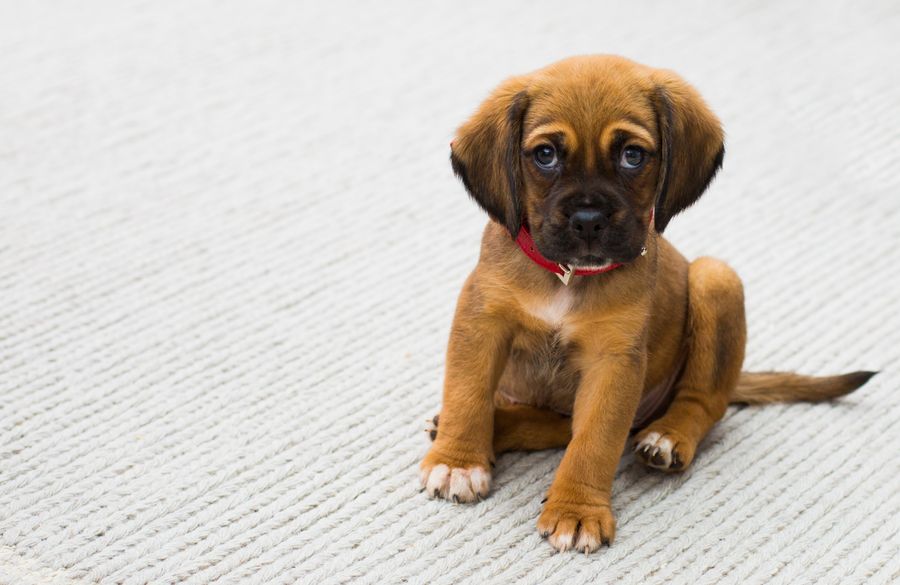
German Shepherds are among the highest-risk breeds for hip and elbow dysplasia, which shapes how owners approach the growth window.
Why German Shepherds Need Growth-Specific Support
German Shepherds are a working breed built for sustained activity, and their skeletal development reflects that demand. The breed's known predisposition to hip and elbow dysplasia means the growth window (roughly 8 to 24 months for this breed) carries more consequence than it does for lower-risk breeds. Owners who research the breed before or shortly after bringing a puppy home consistently arrive at the same conclusion: growth-phase joint support is not optional insurance, it is a standard part of responsible GSD ownership.
MoveGuard Growth's dosing (Glucosamine HCl 400mg, Chondroitin 300mg, NZ Green-Lipped Mussel 250mg, Antarctic Krill Oil 150mg, Hyaluronic Acid 15mg) is calibrated to the 8 to 30 month large breed growth window rather than being a generic all-life-stages formula. For a breed where dysplasia risk is elevated by pedigree, this specificity is what GSD owners are looking for.
Free Breed Guide
The German Shepherd Health Guide
The breed-specific guide to GSD joint development, hip dysplasia risk, and growth window management.
- GSD-specific growth window timetable and plate closure by phase
- Hip and elbow dysplasia risk factors and what actually reduces them
- How supplements fit into a working-breed growth protocol
Hip Dysplasia Risk: What Owners Are Managing
Many German Shepherd owners in the MoveGuard Growth review pool describe purchasing the supplement specifically because of the breed's known dysplasia risk, sometimes after seeing it firsthand in a previous dog or a parent dog's hip scores. This context shapes how these reviews read: less about a specific symptom being addressed, more about a considered decision to reduce a known risk during the only window where it can be meaningfully influenced through nutrition and management.
Dysplasia risk in German Shepherds is influenced by both genetics and environmental factors during growth. Responsible breeders health-test parent dogs (OFA or PennHIP hip and elbow scores) before breeding. Nutritional support during the growth window addresses the environmental side of the risk equation. Neither replaces the other, and neither guarantees an outcome, but together they represent the best-understood approach to reducing risk in a predisposed breed.
An Active Breed's Higher Joint Demand
German Shepherds are rarely a low-activity breed even as puppies. Herding lineage, working-line temperament, and high exercise drive mean GSD puppies place more cumulative load on developing joints than many other large breeds of similar size. Owners consistently describe this as a factor in choosing a growth-specific formula: a breed this active needs joint support calibrated to match the level of use the joints are actually under.
What Owners Report Day to Day
Beyond the risk-reduction framing, German Shepherd owners describe the same daily-use pattern seen across the MoveGuard Growth review pool: willing acceptance of the chicken liver chew, movement that stays fluid through periods of rapid growth, and the confidence of a documented protocol they can point to if a vet asks what joint support the puppy is receiving.
For a breed carrying elevated dysplasia risk and elevated activity demand simultaneously, MoveGuard Growth's growth-window-specific dosing addresses both factors at once. Owners are not typically reporting a dramatic transformation. They are reporting the confidence of having addressed the one modifiable risk factor available to them during the only window where it matters, in a formula their puppy takes without a fight.
"Much higher concentration of Glucosamine, Chondroitin, and Green Lipped Mussel than the generic all-size brands. My pup is growing perfectly, moving fluidly."
"Based on the quality of the ingredients I would not hesitate to give it to a giant breed puppy in the appropriate age range."
Built for a Breed That Needs More.
MoveGuard Growth: NZ GLM 250mg, Glucosamine 400mg, Chondroitin 300mg, Krill Oil 150mg, Hyaluronic Acid 15mg. 8 to 30 months. GMP/NSF certified. 60-Day Strong-Start Guarantee.
Shop MoveGuard GrowthFrequently Asked Questions
Hip dysplasia in German Shepherds has a strong hereditary component, compounded by the breed's rapid growth rate and high activity level during the growth window. Responsible breeders health-test parent dogs using OFA or PennHIP scoring before breeding. Nutritional and management support during the puppy's own growth window addresses the environmental portion of the risk that owners can influence directly.
MoveGuard Growth is formulated for large and giant breed dogs in the 8 to 30 month growth window, which includes German Shepherds at their typical adult weight range. The formula's doses reflect the higher nutritional demand of an active, rapidly developing joint, which many GSD owners specifically look for given the breed's dysplasia risk profile.
Most German Shepherds reach growth plate closure between 18 and 24 months, consistent with large breed timelines generally. Individual variation exists, and veterinary radiography is the only reliable way to confirm closure for your specific dog. See: Growth Plates in Puppies: Large Breed Owner Guide.
Nutrition and growth management are part of the environmental factors that influence dysplasia development alongside the genetic predisposition. Controlled growth rate, appropriate exercise, healthy body condition, and joint-supportive nutrition during the growth window are the modifiable factors within an owner's control. None of these guarantee an outcome, since genetics play a significant role, but they represent the best-understood approach available. Always discuss your puppy's specific risk profile with your veterinarian.
MoveGuard Growth's differentiators for high-activity, high-risk breeds like German Shepherds are the growth-window-specific dosing (higher than most all-life-stages formulas), full individual ingredient disclosure with no proprietary blends, and GMP/NSF certified manufacturing that verifies the label. See: Best Joint Supplements for Large Breed Puppies Compared (2027).
Related Reading
- MoveGuard Growth Reviews: What Owners Are Saying
- Growth Plates in Puppies: Large Breed Owner Guide
- Best Joint Supplements for Large Breed Puppies Compared (2027)
- MoveGuard Growth: What Vet-Informed Owners Say
- Why MoveGuard Growth Has a 4.9 Star Rating
- Green-Lipped Mussel for Dogs: Benefits and Dosage
* These statements have not been evaluated by the Food and Drug Administration. This product is not intended to diagnose, treat, cure, or prevent any disease. Reviews are from verified purchasers on Amazon.com and Pawganix.com. Individual results vary. Always consult your veterinarian before starting your dog on a new supplement.


