


Hot Spots on Dogs: Causes and the Itch Cycle
A hot spot, known clinically as pyotraumatic dermatitis, is a rapidly developing surface infection of the skin caused by a dog licking, chewing, or scratching one area intensely enough to break it. It is bacterial rather than yeast related, which matters because the two are often confused. Hot spots appear quickly, spread fast, and need veterinary attention. The longer term question is what started the itching, since a hot spot is the visible result of an itch cycle rather than the cause of one.
A hot spot can go from nothing to an angry, weeping patch the size of a palm in under a day. That speed is the defining feature, and it is why hot spots frighten owners more than most skin problems.
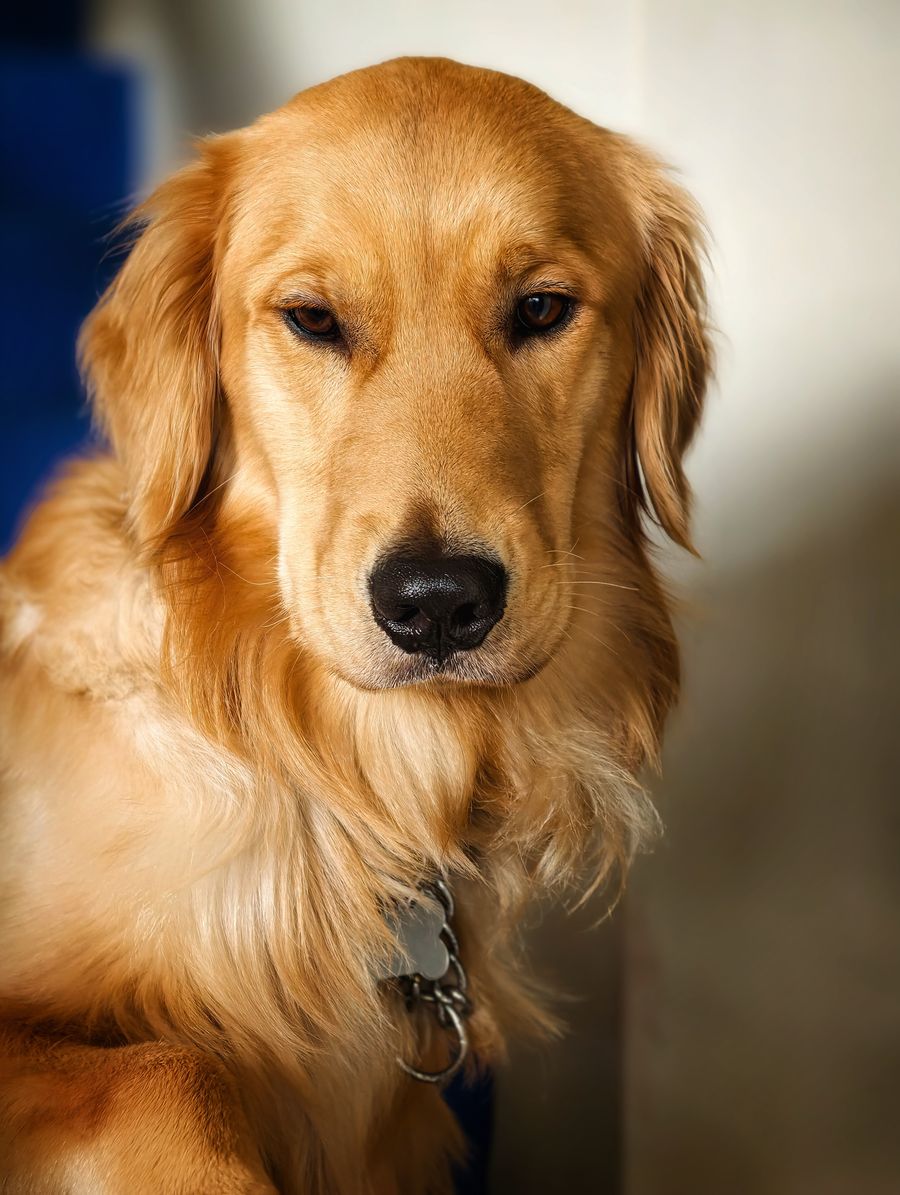
Thick coated breeds are among the most commonly affected, since dense fur traps moisture against the skin.
What a Hot Spot Actually Is
Pyotraumatic dermatitis is a surface infection that develops after a dog self traumatises an area of skin. The sequence is consistent: something makes a spot itch, the dog licks or chews at it, the skin breaks, bacteria already living on the skin surface multiply in the damaged tissue, and the resulting infection itches more. The lesion is typically red, moist, weeping, hairless, and sharply defined against the surrounding healthy coat. It is also painful, which is why an otherwise gentle dog may snap when the area is touched.
Thick or long coated dogs are affected most often, since dense fur holds moisture against the skin and gives bacteria a warmer, wetter surface to work with. Anything that keeps a coat damp, swimming, humidity, or a bath that did not dry through to the skin, raises the risk.
Why a Hot Spot Is Not Yeast
Hot spots are bacterial. Yeast overgrowth is fungal. They can appear on the same dog, and one can follow the other, but they are different problems with different treatments. A product or approach aimed at yeast balance is not a hot spot treatment, and treating a hot spot as though it were a yeast issue delays the care it actually needs.
| Hot spot | Yeast overgrowth | |
|---|---|---|
| Cause | Bacterial, after self trauma to the skin | Fungal overgrowth of yeast already present on the skin |
| Speed of onset | Hours to a day | Gradual, often over weeks |
| Appearance | Single sharply defined moist lesion, hair lost | Greasy or flaky skin, often broader and less defined |
| Odor | Can smell infected | Distinct musty or yeasty smell |
| Typical location | Head, neck, hip, or wherever the dog can reach | Ears, paws, skin folds, belly |
| First step | Veterinary care | Veterinary confirmation, then gut and skin support |
When It Needs a Vet
A hot spot needs veterinary attention. Treatment usually involves clipping the fur around the lesion so it can dry, cleaning it, and prescription medication, and none of that is reliably done at home. Do not apply human antiseptics or ointments without veterinary direction, and do not let a dog keep working at the area while you wait, since the lesion can expand dramatically in hours.
The Itch Cycle Underneath
Once the lesion itself is treated, the useful question is why the dog was itching enough to break the skin in the first place. Common starting points include fleas or other parasites, environmental or food allergies, trapped moisture in a dense coat, an ear problem the dog is scratching at, and in some dogs boredom or stress directed into repetitive licking. Yeast overgrowth is one possible starting point among these, which is the honest extent of the connection between the two.
A dog that gets hot spots repeatedly is telling you the underlying itch has not been resolved. That is where the longer term work sits: identifying the trigger with your veterinarian, drying the coat properly after swimming and bathing, staying current on parasite control, and supporting skin and gut balance where an imbalance is genuinely part of the picture. None of that treats an active hot spot, and it is not meant to.
For the itch underneath, not the hot spot itself
A hot spot needs your vet. What you can work on afterwards is the itch that started it. YeastGuard supports gut and skin balance with probiotics, prebiotics and a botanical blend, with every amount on the label.
Shop YeastGuardStay one step ahead of the itch.
What actually helps keeps changing. We'll send you what's new, so you're not guessing the next time it flares.
Get the free guideEnter your email on the next page. You'll also get new findings as we publish them. Unsubscribe any time. See our Privacy Policy.
You're already making the content. Get paid for it.
Commission on your link, or a flat fee per post. Your call. A real person reads every application and replies within two working days.
Apply in two minutesFrequently Asked Questions
No. A hot spot is a bacterial surface infection that develops after a dog breaks their own skin by licking or scratching. Yeast overgrowth is fungal and usually develops gradually with a distinct musty smell. Both can affect the same dog, but they are different problems needing different treatment. The yeast side is covered separately.
Hot spots need veterinary care. Treatment usually involves clipping the fur so the area can dry, cleaning it, and prescription medication. Human antiseptics and ointments should not be applied without veterinary direction, and the lesion can spread significantly within hours if the dog keeps working at it.
Recurring hot spots usually mean the underlying itch has not been resolved. Common triggers include parasites, allergies, moisture trapped in a dense coat, an ear problem being scratched at, and repetitive licking driven by boredom or stress. Identifying the specific trigger with your veterinarian is what breaks the pattern.
These statements have not been evaluated by the Food and Drug Administration. This product is not intended to diagnose, treat, cure, or prevent any disease. This content is for informational purposes only and is not a substitute for professional veterinary advice. A hot spot is a veterinary matter and should be assessed by your veterinarian rather than managed at home.
What is behind the itch?
Ten questions about your dog. You get the itch pattern named and scored, the four things driving it, a date for the first visible change, and a 60 day pack sized to your dog's weight.
- 1Your dog's itch pattern, named and scored
- 2The four drivers behind it
- 3A 60 day pack sized to your dog's weight
Most read
-
 Itch & YeastThe 7 Best Dog Yeast Infection Supplements Compared (2026 Review)14 min read
-
 Itch & YeastBest Supplements for French Bulldogs: What Actually Helps (And What's a Waste of Money)9 min read
-
 Itch & YeastBest Ear Infection Supplements for Dogs11 min read
-
 Itch & YeastYeastGuard vs. Zesty Paws Aller-Immune Bites: Ingredients, Results, and Value Compared10 min read
-
 Itch & YeastDog Itching But No Fleas: 8 Other Causes You Need to Check11 min read
-
 Itch & YeastChronic Dog Ear Yeast Infection: Home Treatment That Actually Stops the Cycle14 min read


