


Labrador Diet for Hip and Joint Health
The single most useful thing diet does for a Labrador's hips and joints is keep them lean. Labs are genetically prone to weight gain and to hip and elbow issues, and every extra pound multiplies the load through the joint on every step. Beyond body condition, a large breed formulated food during puppyhood, a marine source of omega-3, and controlled portions through adulthood do more for long term joint comfort than any single ingredient on a label. A joint supplement sits on top of those foundations, not in place of them.
Labradors have been the most popular breed in America for decades, and they carry two traits that work against each other: a famous enthusiasm for food, and a genetic predisposition to hip and elbow problems. Diet is where those two facts meet.
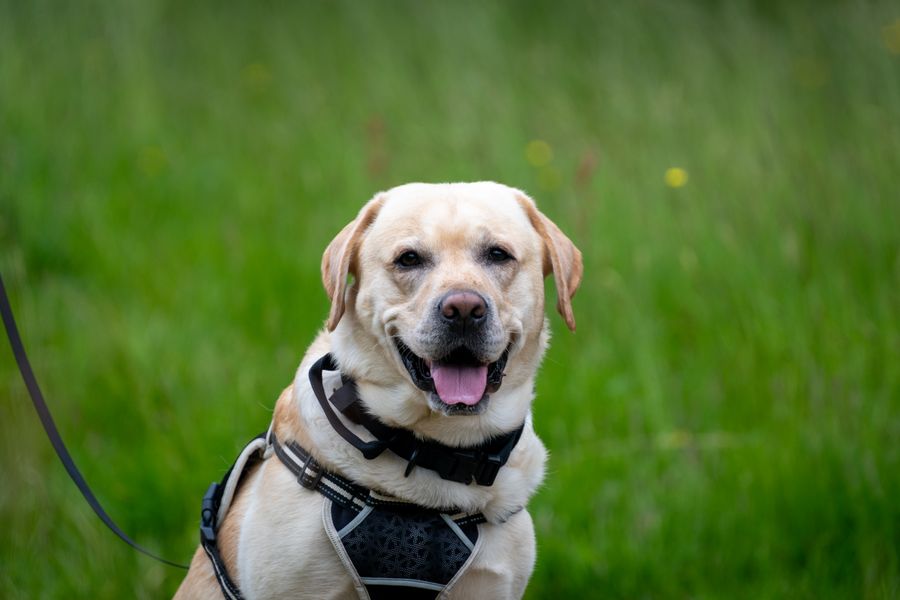
For a Labrador, what goes in the bowl affects the joints more than almost any other daily decision.
Why Labradors Specifically
Two things put this breed in its own category. Labradors are among the breeds carrying the highest genetic burden for hip and elbow dysplasia, which means the structural risk is there before diet enters the picture at all. And Labs are unusually prone to obesity, partly through a well documented appetite trait that makes them harder to keep lean than most breeds. A dog that is both structurally vulnerable and easy to overfeed is a dog whose diet matters more than average.
Body Condition Is the Whole Ball Game
Body weight is the largest single load a joint carries, and it is the one thing an owner controls directly every day. No ingredient on any label compensates for a Labrador carrying extra weight. Keeping a Lab lean does more for their hips over a lifetime than any supplement, and it costs nothing.
Rather than chasing a number on a scale, most veterinarians assess body condition by feel: ribs easily felt under a thin layer of covering, a visible waist behind the ribs when viewed from above, and an abdominal tuck when viewed from the side. Your veterinarian can show you the assessment on your own dog in about a minute, which is worth asking for at the next visit since it makes the target concrete rather than abstract.
What to Feed at Each Life Stage
| Stage | Diet priority | Why it matters for joints |
|---|---|---|
| Puppy, up to roughly 14 months | A large breed formulated puppy food | These are built to moderate growth rate and control calcium levels, both of which affect how the skeleton develops |
| Young adult | Portion control once growth finishes | Calorie needs drop once growth finishes, and this is where many Labs quietly gain weight |
| Adult | Maintain lean body condition | Every pound above ideal multiplies load through hips and elbows on every step |
| Senior | Adjust calories as activity drops | Less movement with the same bowl leads to gain, which makes existing stiffness harder |
The transition points matter more than the products. A Lab moving from puppy food to adult food, or from active adulthood into a quieter senior routine, needs a portion adjustment at the same time. Feeding the same amount through a change in life stage is the most common way a lean Labrador becomes an overweight one without anyone noticing.
If you are working out where your own Labrador sits in that timeline, this Labrador growth chart by month sets out typical weight ranges through the first year and a half.
Where Omega-3 Fits
Marine omega-3 fatty acids, EPA and DHA, are the diet component with the most direct joint relevance after body condition. Most commercial dog foods are considerably richer in omega-6 than omega-3, since omega-6 comes along with the poultry and grains that make up much of the bowl. Adding a marine source moves that balance. Fish oil, krill oil, and green lipped mussel are the practical sources, since plant forms such as flaxseed have to be converted by the body into the marine forms and dogs convert them poorly.
Where a Supplement Genuinely Fits
A joint supplement is a layer on top of a good diet, not a substitute for one. It is worth adding when the foundations are already in place: the dog is lean, the food is appropriate for the life stage, and exercise is regular rather than concentrated into weekends. For a Labrador specifically, the case for starting earlier than feels necessary is the genetic risk profile, since habits are easiest to build while nothing appears to be wrong. Talk to your veterinarian about timing for your individual dog.
Before you decide, see it from someone who already did
Built for medium and large adult dogs
MoveGuard Adult combines glucosamine, chondroitin, MSM, NZ green-lipped mussel and eggshell membrane in one daily chew, with every amount printed on the label.
Shop MoveGuard Adult60-Day Guarantee
Frequently Asked Questions
The diet that keeps them lean. Beyond body condition, a large breed formulated food during puppyhood, a marine source of omega-3, and portion adjustments at each life stage transition do more than any single ingredient. Marine omega-3 sources differ from each other, which is worth understanding before choosing one.
Body weight is the largest single load a joint carries and the one an owner controls directly. It is the highest impact dietary decision for this breed, and it outperforms any supplement ingredient. Ask your veterinarian to show you a body condition assessment on your own dog.
Many owners start in young adulthood or middle age, before anything looks different, because Labs carry a higher than average genetic risk for hip and elbow issues and habits are easiest to build while nothing is wrong. Your veterinarian can advise on timing for your individual dog.
Dogs hide stiffness well. Catch it early.
The signs are subtle and easy to miss. The free Adult Mobility guide covers what to watch for, and what actually helps.
Get the Mobility GuideEnter your email on the next page. You'll also get new findings as we publish them. Unsubscribe any time. See our Privacy Policy.
You're already making the content. Get paid for it.
Commission on your link, or a flat fee per post. Your call. A real person reads every application and replies within two working days.
Apply in two minutesThese statements have not been evaluated by the Food and Drug Administration. This product is not intended to diagnose, treat, cure, or prevent any disease. This content is for informational purposes only and is not a substitute for professional veterinary advice. Diet changes and body condition targets should be discussed with your veterinarian, who knows your individual dog. Always consult your veterinarian before starting your dog on a new supplement.
Where is your dog on the joint clock?
Ten questions about your dog. You get a named stage, the four things loading your dog's joints, a 30-day check-in date, and a plan sized to your dog's weight.
- 1Your dog's joint stage, named and scored
- 2The four things loading the joints
- 3A plan sized to your dog's weight, or a plain answer if no formula fits
Most read
-
 Adult JointsWhat Is Canine Hip Dysplasia?18 min read
-
 Adult JointsNSAIDs for Dog Joint Pain: Benefits, Risks, and What Else You Should Know9 min read
-
 Adult JointsDog Limping: A Diagnostic Guide to What's Causing It and When to Worry8 min read
-
 Itch & YeastThe 7 Best Dog Yeast Infection Supplements Compared (2026 Review)14 min read
-
 Itch & YeastBest Supplements for French Bulldogs: What Actually Helps (And What's a Waste of Money)9 min read
-
 Itch & YeastBest Ear Infection Supplements for Dogs11 min read


