


Cat Routine Changes: Why They Cause Stress
Cats build a sense of safety out of predictability, so a change to the daily rhythm of a household can unsettle them even when nothing about their environment has physically changed. Shifts in who is home and when, feeding times, and the noise pattern of a house are the ones most Cat Parents underestimate. The signs usually appear within a few days as changes in appetite, sleep, hiding, or litter box habits, and the fix is less about reversing the change than about rebuilding predictability around it.
Nothing moved. Nobody new arrived. The furniture is where it was. And yet your cat has spent three days under the bed, and the only thing that actually changed is what time everyone leaves the house.
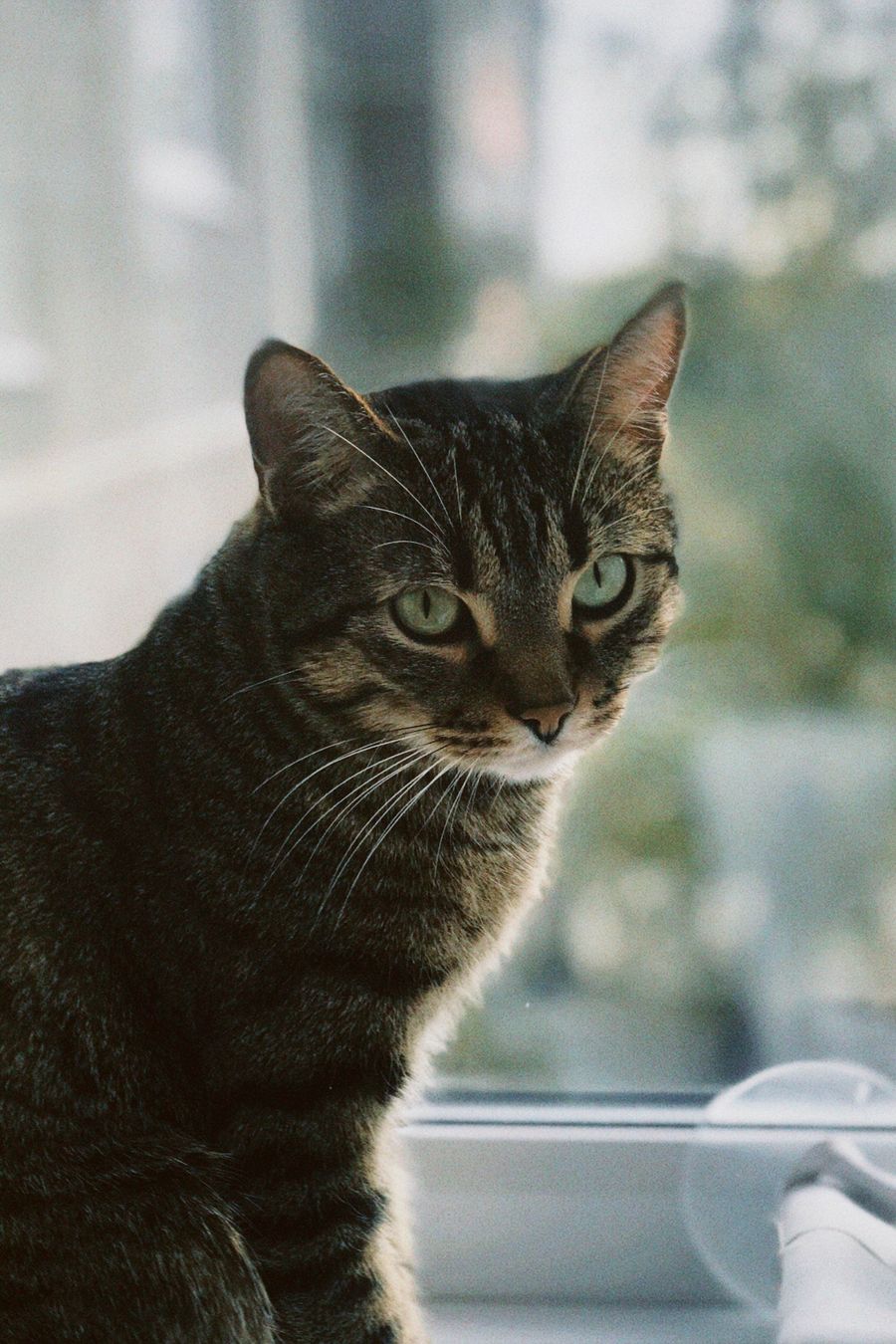
For a cat, the shape of the day is part of the environment, and changing it registers as a change to their world.
Why Routine Matters So Much to Cats
Cats are territorial animals that assess safety through predictability. A familiar pattern of sounds, movement, and timing tells a cat that the territory is stable and nothing needs attention. When that pattern shifts, the cat has no way to know whether the change is meaningful, so the sensible response from their point of view is heightened vigilance until the new pattern proves itself safe. What looks to a Cat Parent like an overreaction to something trivial is, to the cat, a reasonable response to their world becoming temporarily unpredictable.
The Changes That Hit Hardest
A change in who is home and when
A return to office work, the start of a school term, a new shift pattern, or a household member travelling all change the rhythm of presence and absence. This is the most commonly underestimated one, because from the human side nothing about the home has changed at all.
Feeding time drift
Meals arriving at variable times rather than predictable ones removes one of the most reliable anchors in a cat's day. This often happens as a side effect of a schedule change rather than as a deliberate decision.
A change in the noise pattern of the house
Building work, a new appliance, more or fewer people around, or a seasonal shift in household activity all change the ambient soundscape a cat has calibrated to.
Losing access to a favoured spot
A door now kept closed, a chair moved, or a windowsill blocked can matter more than its size suggests if that spot was part of the cat's established territory map.
What It Looks Like
The response usually appears within a few days rather than immediately. Watch for a shift from the individual cat's own baseline in appetite or eating pace, more hiding or a new hiding place, changes in sleep or restlessness during normal rest hours, litter box changes including elimination outside the box, increased vocalising, or a shorter fuse during handling. None of these is diagnostic on its own; what matters is a cluster of changes appearing around the same time as a change in routine.
Appetite changes, litter box changes, and hiding are all signs of illness as well as signs of stress, and a cat cannot tell you which one it is. A change that persists beyond a few days, or any complete refusal to eat, warrants a veterinary visit before it is put down to the new schedule.
How to Soften a Transition
Most routine changes cannot be reversed, and reversing them is rarely the point. What helps is rebuilding predictability inside the new shape of the day. Anchor feeding times even when the rest of the schedule moves, since a reliable meal time restores one fixed point. Keep the resources a cat depends on constant while other things change, so litter boxes, resting spots, and vertical space stay where they were. Add short, structured play sessions at consistent times, which both provide an outlet and become a new predictable anchor. And give the new pattern a few weeks before concluding it has not worked, since cats generally recalibrate to a stable new routine once it has proved itself stable.
Restore the Peace
Pawganix CalmGuard: diffuser, 3 refills, and a bonus calming collar. Soothes the stress behind unwanted behavior during a change in routine.
Shop NowNot Sure What Your Cat Needs?
Take the free Calm Home Audit. Ten quick questions about your cat and your home, and you get the pattern named, the four things behind it, and how many rooms need covering. No email needed to see your result.
Take the Calm Home Audit →You're already making the content. Get paid for it.
Commission on your link, or a flat fee per post. Your call. A real person reads every application and replies within two working days.
Apply in two minutesFrequently Asked Questions
The daily rhythm is part of a cat's environment, so a shift in who is home and when, or in feeding times, registers as a change to their world even when the physical space is identical. This is the most commonly underestimated trigger because from the human side nothing has moved.
Most cats recalibrate over a few weeks once the new pattern proves stable, provided the anchors they depend on stay consistent. Signs that persist well beyond that, or that are severe, are worth discussing with your veterinarian. Appetite and sleep are usually the first things to shift, so they are useful early indicators.
Yes if the change persists beyond a day or two, or if your cat refuses food entirely. Appetite changes, litter box changes, and hiding are signs of illness as well as stress, and a veterinary visit is how you tell the two apart rather than assuming the new schedule explains it.
This content is for informational purposes only and is not a substitute for professional veterinary advice. Appetite changes, litter box changes, and hiding can indicate illness as well as stress. A change that persists beyond a day or two, or any complete refusal to eat, warrants a veterinary evaluation.
What is unsettling your cat?
Ten questions about your cat and your home. You get the pattern named, the four things behind it, how many rooms need covering, and a 30-day check-in date.
- 1The pattern, named, and the four things behind it
- 2How many rooms and floors need covering
- 3A plan sized to your home, and when the collar earns its place
Most read
-
 CatsMulti-Cat Household Stress: Why Your Cats Fight and How Pheromones Can Help8 min read
-
 CatsCat Vomiting: Hairballs or Gut Problem?6 min read
-
 CatsSeparation Anxiety in Cats7 min read
-
 CatsCat Calming Collars, Diffusers & Sprays7 min read
-
 CatsFeliway vs Pawganix: Cat Calming Compared7 min read
-
 CatsCat Anxiety: The Complete Guide to Causes, Symptoms, and Solutions9 min read


