


Cat Hiding: When It's Normal vs a Warning Sign
Cats naturally seek quiet, enclosed spaces to rest, and occasional hiding is completely normal feline behaviour, not a cause for concern. What matters is a change from the individual cat's usual pattern: hiding more than usual, hiding during times they were previously social, or hiding paired with other stress signals or a loss of appetite is more meaningful than a cat who simply enjoys a favourite quiet spot.
Few cat behaviours cause as much second-guessing among Cat Parents as hiding. Is a quiet, private cat just being a cat, or is something wrong? The answer usually comes down to context and change from baseline, not the hiding itself.
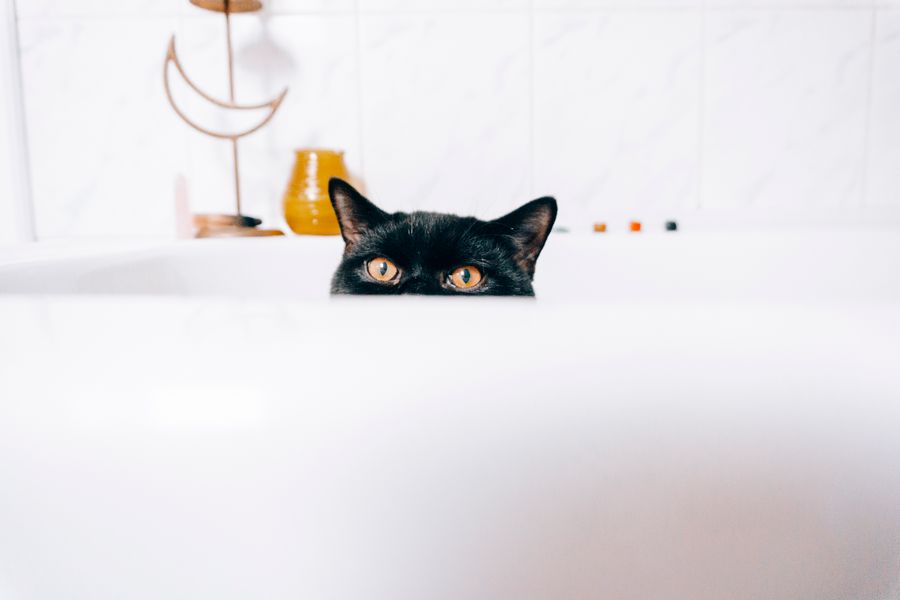
A cat choosing a quiet, enclosed spot is often simply expressing a normal preference, not a sign of distress.
What Normal Hiding Looks Like
Consistent, situational, easily interrupted
- A regular favourite quiet spot the cat returns to
- Hiding during loud noises, then re-emerging once things settle
- Comes out for meals, play, or a favourite person
- Overall appetite and litter box habits stay normal
New, persistent, paired with other changes
- Hiding much more than the cat's usual pattern
- Avoiding previously enjoyed interaction consistently
- Reduced appetite or skipped meals
- Paired with other early stress signals
Cats are naturally drawn to enclosed, elevated, or tucked-away spaces because these spots offer a sense of security, a place to observe the environment without being exposed. A cat with a favourite box, cubby, or spot under the bed who uses it regularly and still comes out for meals and interaction is simply expressing a normal, healthy preference.
When Hiding Is a Warning Sign
What changes the picture is a shift from the cat's individual baseline. A normally social cat who begins avoiding interaction they previously sought out, hiding for extended periods during times they were usually active, or combining increased hiding with reduced appetite, litter box changes, or other early stress signals is showing a pattern worth taking seriously. Hiding in this context is often a response to an underlying stressor, whether environmental or medical, rather than a simple preference.
Not "is my cat hiding" but "is this different from how my cat normally behaves." A cat who has always been more reserved and retreats to a favourite spot regularly is behaving consistently. A cat whose hiding pattern has genuinely shifted, especially alongside other changes, is the one worth paying closer attention to.
What to Do If Hiding Increases
If hiding increases noticeably from a cat's usual pattern, start by considering recent changes in the household: a new pet, a move, construction noise, a schedule change, or anything else that might explain a shift in behaviour. If no clear trigger is identifiable, or if hiding is paired with a change in appetite, litter box habits, or energy level, a veterinary visit is a reasonable next step to rule out an underlying medical cause before assuming it is purely behavioural.
Frequently Asked Questions
Yes, occasional or even regular hiding in a favourite quiet spot is normal feline behaviour. Cats naturally seek enclosed, secure spaces. What matters is whether this is consistent with the individual cat's usual pattern and whether they still engage normally for meals and interaction.
Look for a change from the cat's usual baseline: hiding significantly more than usual, avoiding previously enjoyed interaction, or hiding paired with reduced appetite, litter box changes, or other early stress signals. A shift in pattern is more meaningful than the hiding itself.
If increased hiding has no clear environmental trigger, or is paired with a change in appetite, litter box habits, or energy level, a veterinary visit is reasonable to rule out an underlying medical cause before assuming it is purely behavioural.
Restore the Peace
Pawganix CalmGuard: diffuser, 3 refills, and a bonus calming collar. Soothes the stress behind unwanted behavior.
Shop NowNot Sure What Your Cat Needs?
Take the free Calm Home Audit. Ten quick questions about your cat and your home, and you get the pattern named, the four things behind it, and how many rooms need covering. No email needed to see your result.
Take the Calm Home Audit →This content is for informational purposes only and is not a substitute for professional veterinary advice. If your cat's hiding is sudden, persistent, or paired with other behaviour changes, consult your veterinarian to rule out an underlying medical cause.
What is unsettling your cat?
Ten questions about your cat and your home. You get the pattern named, the four things behind it, how many rooms need covering, and a 30-day check-in date.
- 1The pattern, named, and the four things behind it
- 2How many rooms and floors need covering
- 3A plan sized to your home, and when the collar earns its place
Most read
-
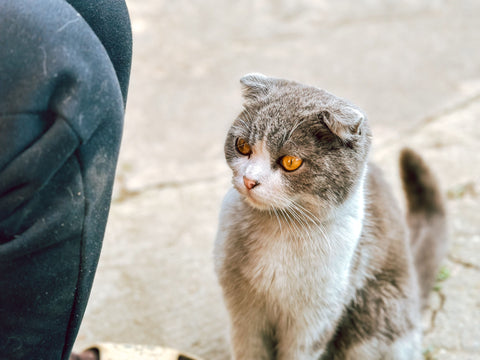 CatsMulti-Cat Household Stress: Why Your Cats Fight and How Pheromones Can Help8 min read
-
 CatsCat Vomiting: Hairballs or Gut Problem?6 min read
-
 CatsSeparation Anxiety in Cats7 min read
-
 CatsCat Calming Collars, Diffusers & Sprays7 min read
-
 CatsFeliway vs Pawganix: Cat Calming Compared7 min read
-
 CatsCat Anxiety: The Complete Guide to Causes, Symptoms, and Solutions9 min read


