


Cat Body Language: Reading Stress Signals Early
Cats show stress in stages, and the earliest signals are quiet and easy to miss: a slightly lowered body, ears turned sideways rather than back, a stiff or twitching tail, or slower blinking than usual. Catching these early signs before they escalate to hiding, aggression, or a litter box problem gives Cat Parents the best chance to help before the stress builds.
Cats are subtle communicators, and by the time stress becomes obvious to a Cat Parent, the cat has often been signalling it for some time. Learning to read the early, quiet signals gives you a head start on helping before the behaviour becomes harder to manage.
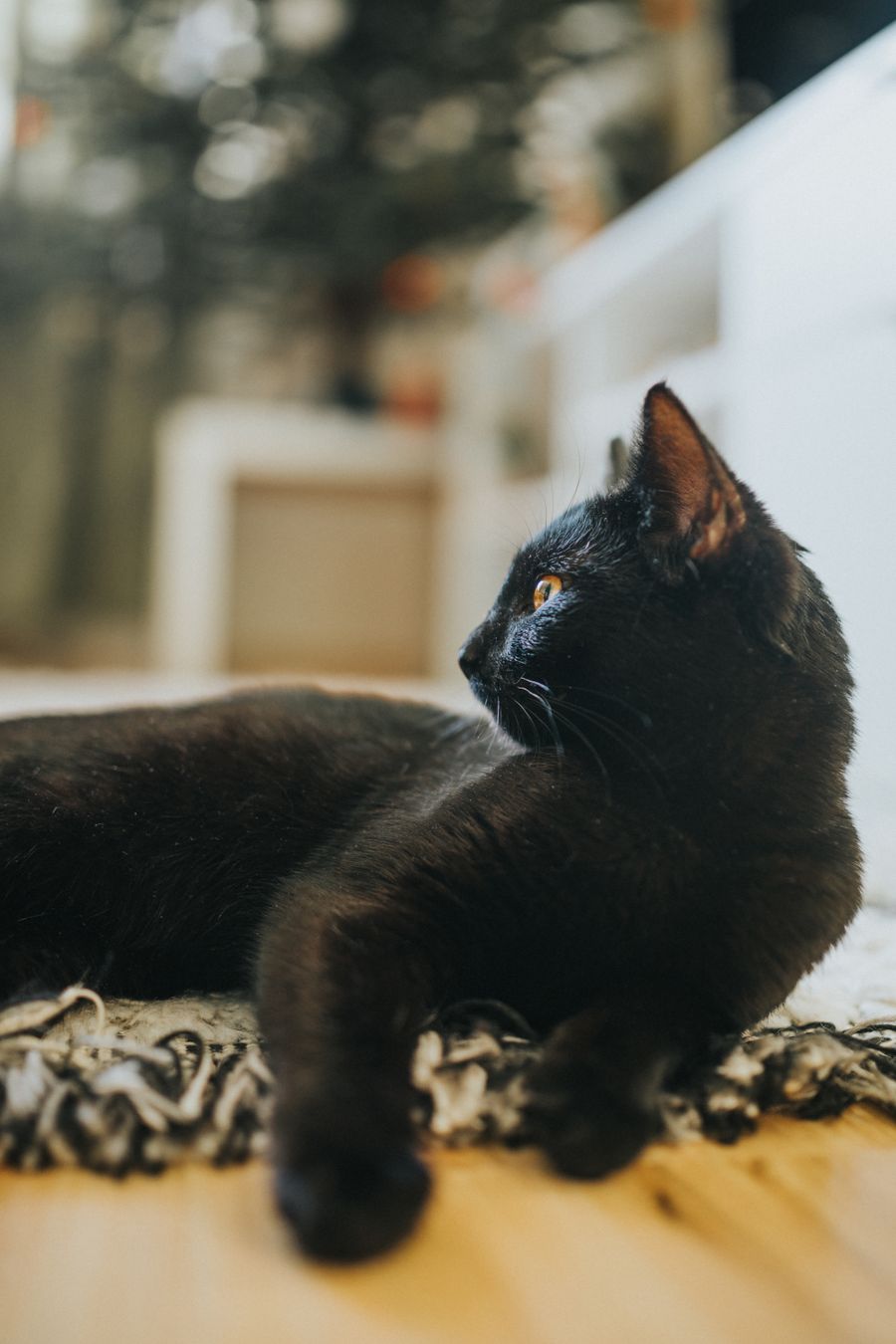
A relaxed body, soft ears, and slow blinking are the picture of a cat who feels safe.
Stress Builds in Stages
Feline stress does not usually appear all at once. It tends to build through recognisable stages, starting with subtle body language changes, then moving toward avoidance behaviours like hiding, and finally toward more visible responses like aggression or changes in litter box use if the underlying stress goes unaddressed. Recognising the early stage is what allows a Cat Parent to intervene before the cat needs to reach for a bigger, more obvious signal.
Early Signals Most Cat Parents Miss
Ears turned sideways or slightly back
Relaxed ears usually face forward or slightly outward. Ears rotated sideways, sometimes called airplane ears, are one of the earliest and most reliable signs that a cat is uneasy, well before more obvious signals appear.
A lower, tighter body posture
A cat who is settling into their body naturally versus one who is holding themselves slightly lower and tighter than usual is a subtle but real difference. This posture often shows up before any other visible sign.
A stiff or slowly twitching tail
A loose, relaxed tail or a gentle upright greeting tail is a good sign. A tail held stiffly, low, or twitching slowly at the tip (different from the fast lashing of overt agitation) often signals early discomfort.
Reduced slow blinking
Slow blinking toward a trusted person is often described as a cat's version of a smile. A cat who has stopped offering this, or who holds a wider, more alert eyed expression than usual, may be more on edge than they appear at first glance.
By the time a cat is hiding, growling, or showing a change in litter box habits, the stress has usually been building for a while. Noticing the early, quiet signals is what allows a Cat Parent to make an environmental change, reduce a trigger, or simply give the cat more space, before the situation escalates to something harder to manage.
Mid-Stage Signals
If early stress signals go unaddressed, the next stage often includes more noticeable avoidance behaviour: increased hiding, reduced interest in play or food, following a more rigid routine to avoid uncertainty, or spending more time in one safe spot than usual. These signals are more visible than the early stage but are still frequently attributed to a cat "just being a cat" rather than recognised as a stress response.
Late-Stage Signals
The most visible stress signals, the ones most Cat Parents recognise immediately, tend to appear last: growling, hissing, swatting, spraying, overgrooming, or a clear change in litter box behaviour. These are not the beginning of a stress response. They are usually the end of one, after quieter signals went unnoticed or unaddressed. This does not mean a Cat Parent did anything wrong. It means the early signals are genuinely subtle, and learning to spot them is a skill most people build over time.
Frequently Asked Questions
The earliest signals are often subtle: ears turned sideways rather than fully forward, a slightly lower or tighter body posture than usual, a stiff or slowly twitching tail, and reduced slow blinking toward familiar people. These typically appear before more obvious signs like hiding or aggression.
A relaxed cat typically shows forward-facing or loosely sideways ears, a loose body, a gently held or upright tail, and offers slow blinks toward trusted people. A stressed cat shows tighter posture, sideways or back ears, a stiff tail, and reduced slow blinking, even when nothing dramatic is happening yet.
Not always. Cats naturally seek out quiet, enclosed spaces to rest, which is normal behaviour. What matters is a change from the individual cat's usual pattern: hiding more than usual, hiding during times they were previously social, or hiding paired with other early stress signals is more meaningful than occasional resting in a quiet spot.
Restore the Peace
Pawganix CalmGuard: diffuser, 3 refills, and a bonus calming collar. Soothes the stress behind unwanted behavior.
Shop NowNot Sure What Your Cat Needs?
Take the free Calm Home Audit. Ten quick questions about your cat and your home, and you get the pattern named, the four things behind it, and how many rooms need covering. No email needed to see your result.
Take the Calm Home Audit →This content is for informational purposes only and is not a substitute for professional veterinary or behavioural advice. If your cat shows sudden or significant behaviour changes, consult your veterinarian to rule out an underlying medical cause.
What is unsettling your cat?
Ten questions about your cat and your home. You get the pattern named, the four things behind it, how many rooms need covering, and a 30-day check-in date.
- 1The pattern, named, and the four things behind it
- 2How many rooms and floors need covering
- 3A plan sized to your home, and when the collar earns its place
Most read
-
 CatsMulti-Cat Household Stress: Why Your Cats Fight and How Pheromones Can Help8 min read
-
 CatsCat Vomiting: Hairballs or Gut Problem?6 min read
-
 CatsSeparation Anxiety in Cats7 min read
-
 CatsCat Calming Collars, Diffusers & Sprays7 min read
-
 CatsFeliway vs Pawganix: Cat Calming Compared7 min read
-
 CatsCat Anxiety: The Complete Guide to Causes, Symptoms, and Solutions9 min read


