


Joint Supplements for Kangal Dogs: A Guide
Kangals are a giant livestock guardian breed, typically reaching 90 to 145 pounds, with a growth window extending to 24 months or longer, among the latest-maturing of all large breeds. This size and slow maturation places sustained mechanical demand on developing joints, making appropriately dosed joint support relevant earlier and at higher doses than for smaller breeds. Most Kangal owners begin a joint supplement between 8 and 12 months of age, adjusting dose as the dog approaches adult weight.
Kangals are a Turkish livestock guardian breed built for size and endurance rather than speed, and that size brings genuine, specific joint health considerations that generic large breed advice does not always address. Here is what to know before choosing a joint supplement for a Kangal.
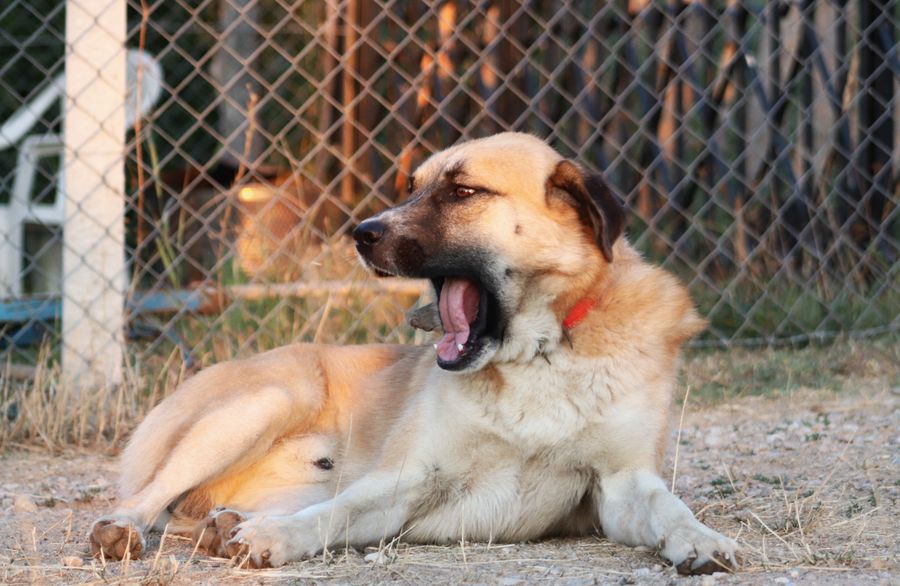
Kangals mature slowly and reach a substantial adult size, both factors that shape their joint support needs.
Why Kangal Joints Face Unique Demands
Kangals commonly reach 90 to 145 pounds at maturity, placing them among the largest working breeds. Their growth window extends to roughly 24 months and can run longer in some individuals, meaning developing joints are under sustained load for a longer period than in mid-sized or even many large breeds. This combination, substantial adult weight plus an extended growth window, is why Kangal owners researching joint supplements often find that generic large breed guidance does not fully address their situation, since a 60-pound large breed and a 130-pound giant breed have meaningfully different mechanical demands on the same joints.
As with other giant working and guardian breeds, hips and elbows carry the greatest mechanical load, given the combination of size and the breed's historical role in active guarding and patrol work. Owners of working Kangals, dogs actively patrolling and guarding livestock, should factor this activity level into how closely they monitor joint health, alongside the breed's size alone.
When to Start a Joint Supplement
Most Kangal owners and breeders begin joint support between 8 and 12 months of age, once the dog is past the most rapid early growth phase but still well within the extended growth window this breed requires. Starting proactively, before any signs of joint discomfort appear, is the more common approach for giant breeds generally, given how much cumulative joint development still lies ahead at this age compared to a smaller breed.
What to Check on the Label
Individually disclosed doses, not a proprietary blend
A label listing each ingredient's specific dose, rather than grouping them into an undisclosed proprietary blend, lets you verify the formula actually contains meaningful amounts of key actives like glucosamine and chondroitin, not just trace amounts.
A dose calibrated for giant breed weight ranges
Some joint supplements are formulated and dosed with mid-sized large breeds in mind, which may under-dose a dog at the upper end of the Kangal's weight range. Check whether the product's dosing chart explicitly covers dogs in the 100 to 150 pound range.
GMP and NSF manufacturing certification
Independent manufacturing certification provides verification that the label accurately reflects what is in the product, rather than relying solely on the brand's own claim.
Dosing Considerations for a Giant Breed
Dosing for a growing Kangal should generally follow the dog's current weight and be reassessed periodically as they grow toward their adult size, rather than being set once and left unchanged for the full growth window. A supplement dosed by expected adult weight from early on may either under-dose a smaller-framed puppy early on or fail to account for individual growth variation within the breed. Checking with your veterinarian at routine visits about appropriate dosing as your Kangal grows is a reasonable practice given how much size change occurs over this breed's extended development period.
Free Download
The Large Breed Growth Blueprint
Growth charts, milestones, and exercise guidelines built for large and giant breed puppies, including guidance relevant to extended growth windows like the Kangal's.
- Breed-specific growth charts for large and giant breeds
- Monthly milestone markers so you know what's normal and what's not
- Age-appropriate exercise guidelines to protect developing joints
Frequently Asked Questions
Most Kangal owners begin between 8 and 12 months of age, once past the most rapid early growth phase but still within the breed's extended growth window, which can run to 24 months or longer. Starting proactively, before signs of discomfort, is the more common approach for this giant breed.
Significantly. Kangals commonly reach 90 to 145 pounds, placing many dogs above the weight range some joint supplements are dosed for. Check that a product's dosing chart explicitly covers dogs in the 100 to 150 pound range, and reassess dosing periodically as your dog grows toward adult weight.
Individually disclosed ingredient doses rather than an undisclosed proprietary blend, a dosing chart that explicitly covers giant breed weight ranges, and GMP or NSF manufacturing certification for independent verification of label accuracy.
Working Kangals actively patrolling and guarding livestock place additional cumulative mechanical load on their joints compared to a companion Kangal with a lower activity level. This higher activity demand is worth factoring into how closely joint health is monitored, alongside the breed's substantial size alone.
Built for Large Breed Joint Development
MoveGuard Growth is formulated for the large breed growth window with individually disclosed doses and GMP/NSF certified manufacturing.
Learn About MoveGuard GrowthThese statements have not been evaluated by the Food and Drug Administration. This product is not intended to diagnose, treat, cure, or prevent any disease. This content is for informational purposes only and is not a substitute for professional veterinary advice. Always consult your veterinarian about your dog's specific joint health and appropriate supplement dosing as they grow. Individual results vary.
Where is your dog on the joint clock?
Ten questions about your dog. You get a named stage, the four things loading your dog's joints, a 30-day check-in date, and a plan sized to your dog's weight.
- 1Your dog's joint stage, named and scored
- 2The four things loading the joints
- 3A plan sized to your dog's weight, or a plain answer if no formula fits
Most read
-
 Adult JointsWhat Is Canine Hip Dysplasia?18 min read
-
 Adult JointsNSAIDs for Dog Joint Pain: Benefits, Risks, and What Else You Should Know9 min read
-
 Adult JointsDog Limping: A Diagnostic Guide to What's Causing It and When to Worry8 min read
-
 Itch & YeastThe 7 Best Dog Yeast Infection Supplements Compared (2026 Review)14 min read
-
 Itch & YeastBest Supplements for French Bulldogs: What Actually Helps (And What's a Waste of Money)9 min read
-
 Itch & YeastBest Ear Infection Supplements for Dogs11 min read


