


Is My Cat Stressed or Just Aloof?
Some cats are naturally more independent and less physically affectionate than others, purely as a matter of individual temperament, and this is not a sign of a problem. Genuine stress looks different: it involves a change from the cat's own established baseline, often paired with specific signals like reduced appetite, altered body language, or avoidance of previously normal activities, rather than a consistent, lifelong preference for independence.
Not every independent or undemonstrative cat is a stressed cat. Individual temperament varies enormously, and a naturally aloof cat can be entirely content. The challenge is that genuine stress can look superficially similar from a distance, which makes this a genuinely useful distinction to understand.
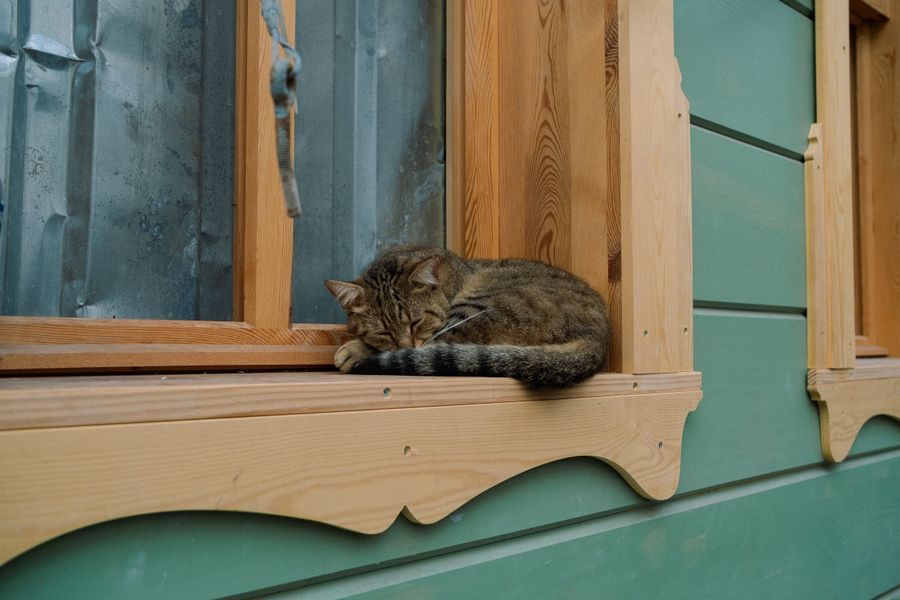
An independent cat resting alone by choice looks different, on closer observation, from a cat withdrawing due to stress.
Aloof Is a Real, Normal Temperament
Individual cat temperament exists on a real spectrum, and some cats are simply less inclined toward physical affection, lap time, or seeking out interaction than others, independent of their environment or wellbeing. This is a consistent, lifelong trait for these individual cats, not something that develops in response to a specific change or stressor. A naturally independent cat who eats normally, uses the litter box normally, and engages with their environment in their own way is not showing signs of a problem.
The Key Difference: Baseline vs Change
Consistent, lifelong pattern
- Has always preferred independence, even as a kitten
- Still eats, plays, and uses the litter box normally
- Chooses distance on their own terms, not avoidance
- Relaxed body language even when keeping distance
A change from the cat's own baseline
- A previously social cat becomes withdrawn
- Appetite, litter box habits, or activity level shift
- Body language shows tension, not just distance
- Avoidance appears alongside a specific trigger or event
Signs That Point to Stress Instead
The clearest signal that something beyond temperament is happening is a genuine change from how the individual cat has always behaved. A cat who previously sought out laps and interaction and has stopped doing so, especially alongside a recent household change, is showing something different from a cat who has simply always preferred their own space. Watching for the early body language signals of stress, tighter posture, ears turned sideways, reduced slow blinking, alongside any withdrawal, helps distinguish a genuine stress response from a consistent personality trait.
A single behaviour in isolation rarely tells the full story. A cat who keeps their distance but eats well, plays occasionally, and shows relaxed body language is likely just being themselves. A cat showing distance alongside appetite changes, tense body language, or a clear recent trigger is showing a pattern worth paying closer attention to.
Restore the Peace
Pawganix CalmGuard: diffuser, 3 refills, and a bonus calming collar. Soothes the stress behind unwanted behavior.
Shop NowNot Sure What Your Cat Needs?
Take the free Calm Home Audit. Ten quick questions about your cat and your home, and you get the pattern named, the four things behind it, and how many rooms need covering. No email needed to see your result.
Take the Calm Home Audit →Frequently Asked Questions
Compare against the cat's own lifelong baseline. A naturally independent cat has always preferred their own space, still eats and plays normally, and shows relaxed body language. Genuine stress involves a change from that established pattern, often alongside a specific trigger.
Yes, for many cats this is simply their consistent temperament rather than a sign of stress. What matters is whether this is how the cat has always been, and whether they otherwise eat, play, and use the litter box normally.
Consistency versus change. An aloof cat has always been this way, independent of circumstances. A stressed cat shows a shift from their own previous pattern, often paired with tense body language or other stress signals, rather than a stable, lifelong preference.
This content is for informational purposes only and is not a substitute for professional veterinary or behavioural advice. If you notice a genuine change in your cat's behaviour alongside other symptoms, consult your veterinarian to rule out an underlying cause.
What is unsettling your cat?
Ten questions about your cat and your home. You get the pattern named, the four things behind it, how many rooms need covering, and a 30-day check-in date.
- 1The pattern, named, and the four things behind it
- 2How many rooms and floors need covering
- 3A plan sized to your home, and when the collar earns its place
Most read
-
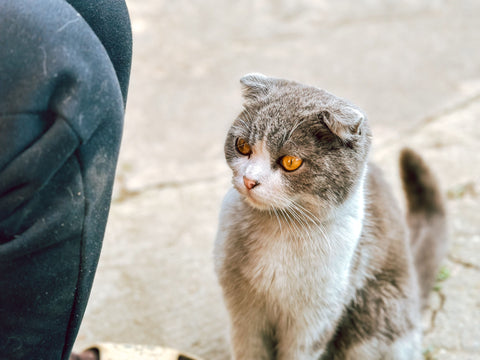 CatsMulti-Cat Household Stress: Why Your Cats Fight and How Pheromones Can Help8 min read
-
 CatsCat Vomiting: Hairballs or Gut Problem?6 min read
-
 CatsSeparation Anxiety in Cats7 min read
-
 CatsCat Calming Collars, Diffusers & Sprays7 min read
-
 CatsFeliway vs Pawganix: Cat Calming Compared7 min read
-
 CatsCat Anxiety: The Complete Guide to Causes, Symptoms, and Solutions9 min read


