


Fear-Related Aggression in Cats Toward People
Fear-related aggression toward people is a defensive response, not an unprovoked attack, and it happens when a cat feels cornered, threatened, or unable to escape a situation that frightens them. It looks different from other forms of aggression: it is typically preceded by clear warning signals, escalates only if those signals are ignored, and resolves once the perceived threat is removed. Recognizing the early warning signs and giving the cat an escape route is more effective than trying to override the fear response directly.
A cat lashing out at a person is frightening and easy to interpret as unprovoked hostility. In most cases, it is the opposite: a defensive response from a cat who feels they have no other option, and understanding this changes how to respond.
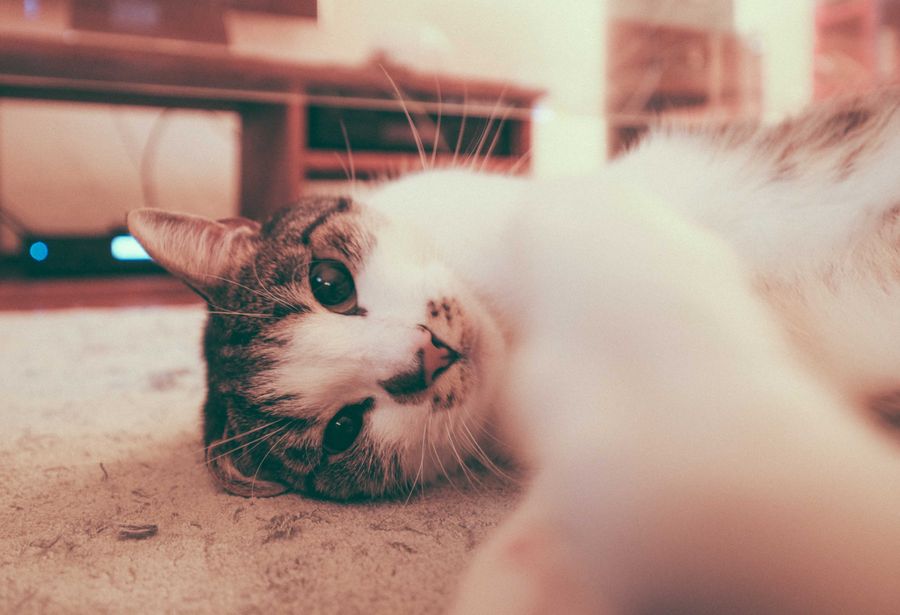
A cat who feels safe and has a clear path to retreat rarely needs to escalate to defensive aggression.
A Defensive Response, Not an Attack
Fear-related aggression is fundamentally a defensive behaviour. A cat who feels cornered, restrained, or unable to escape a situation they find frightening may escalate to hissing, swatting, or biting as a last resort, not as an initial choice. This is different from an offensive or predatory motivation. The cat is not seeking out conflict; they are responding to a perceived lack of options in a situation that feels threatening to them.
The Warning Signs Before It Escalates
These signals typically appear well before an actual swat or bite, and a cat showing them is communicating discomfort clearly, giving a person the opportunity to back away and de-escalate before it reaches physical aggression.
Common Triggers
Common triggers for fear-related aggression include being cornered or unable to retreat, being handled in a way the cat finds uncomfortable or restraining, sudden or unfamiliar movement, unfamiliar people or environments, and past negative experiences that have created an association between a specific situation and fear. A cat with limited early socialisation, or a history of a frightening experience in a similar context, may show a stronger fear response than average to a situation that would not bother most cats.
Responding to fear-related aggression with punishment adds another frightening element to an already fearful cat's experience, and typically increases fear and defensive behaviour rather than reducing it. The more effective response is recognising the fear, removing the trigger, and giving the cat space and time to de-escalate on their own.
What Actually Helps
Watch for and respond to the early warning signals rather than waiting for a swat or bite, since backing away at the hissing or ear-flattening stage avoids most escalation entirely. Always give a cat a clear escape route rather than cornering them, even unintentionally, during handling or in a small space. For a cat with a known trigger, such as nail trims or carrier use, gradual, positive desensitisation over time is more effective than repeated forced exposure. If fear-related aggression is frequent or severe, a veterinary behaviourist can help identify the specific triggers and build a structured plan.
Restore the Peace
Pawganix CalmGuard: diffuser, 3 refills, and a bonus calming collar. Soothes the stress behind unwanted behavior.
Shop NowNot Sure What Your Cat Needs?
Take the free Calm Home Audit. Ten quick questions about your cat and your home, and you get the pattern named, the four things behind it, and how many rooms need covering. No email needed to see your result.
Take the Calm Home Audit →Frequently Asked Questions
Most aggression toward people is fear-related, a defensive response when a cat feels cornered, restrained, or unable to escape a situation they find frightening. It is rarely unprovoked hostility, and it is usually preceded by warning signs like flattened ears or a tense posture.
Flattened or sideways ears, dilated pupils, a tense crouched posture, a puffed tail, hissing or growling, and attempts to retreat or create distance. These typically appear well before any physical response.
No. Punishment adds another frightening element and typically increases fear and defensive behaviour rather than reducing it. Recognising the fear, removing the trigger, and giving the cat space to de-escalate is more effective.
This content is for informational purposes only and is not a substitute for professional veterinary or behavioural advice. If aggression is frequent, severe, or causes injury, consult your veterinarian or a qualified feline behaviourist.
What is unsettling your cat?
Ten questions about your cat and your home. You get the pattern named, the four things behind it, how many rooms need covering, and a 30-day check-in date.
- 1The pattern, named, and the four things behind it
- 2How many rooms and floors need covering
- 3A plan sized to your home, and when the collar earns its place
Most read
-
 CatsMulti-Cat Household Stress: Why Your Cats Fight and How Pheromones Can Help8 min read
-
 CatsCat Vomiting: Hairballs or Gut Problem?6 min read
-
 CatsSeparation Anxiety in Cats7 min read
-
 CatsCat Calming Collars, Diffusers & Sprays7 min read
-
 CatsFeliway vs Pawganix: Cat Calming Compared7 min read
-
 CatsCat Anxiety: The Complete Guide to Causes, Symptoms, and Solutions9 min read


