


Why Does My Cat Bite Me While I Am Petting Them?
A cat biting mid-pet, sometimes called petting-induced aggression or overstimulation, is not a sign the cat is upset with their Cat Parent. It usually means the cat has reached their limit for physical contact in that moment, and the bite is a communication signal rather than an act of aggression toward the person. Most cats give warning signs beforehand that are easy to miss if you are not looking for them.
Few things catch a Cat Parent off guard like a cat that seems to be enjoying petting one moment and bites the next. This is one of the more common and most misunderstood feline behaviours, and understanding it changes how it feels when it happens.
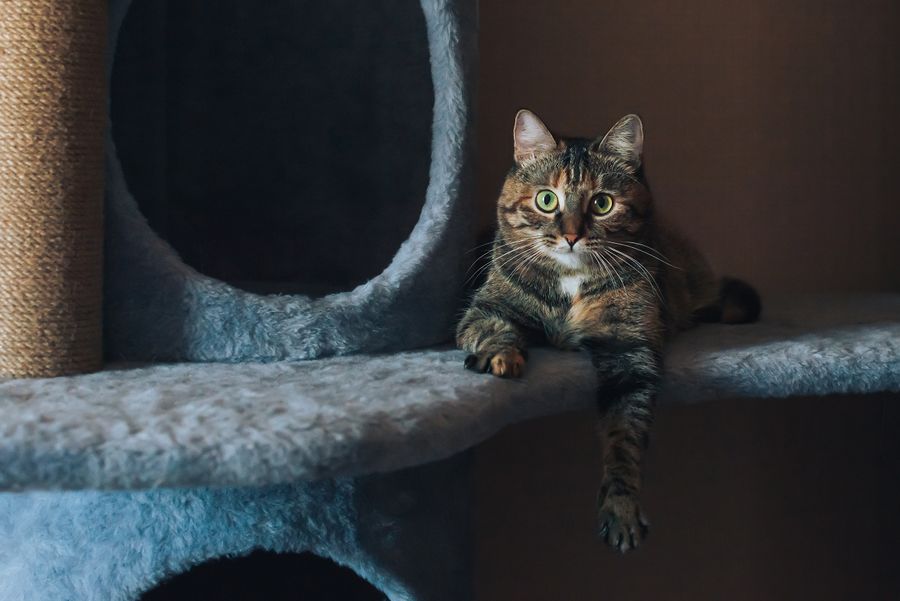
Reading a cat's signals during petting is a skill most Cat Parents build with practice and attention.
What Petting-Induced Aggression Actually Is
Petting-induced aggression describes a cat that appears to enjoy affection, then suddenly bites or swats, often without an obvious trigger from the Cat Parent's perspective. It is important to understand this is not the cat being unpredictable or turning on the person. It is almost always a signal that the cat has reached a threshold for stimulation, whether from touch, duration, or repetition, and the bite is how that threshold gets communicated.
The Warning Signs Before a Bite
Most cats show signals before biting, though they are often quick and easy to miss if you are focused on the petting itself rather than watching the cat.
These signals often appear seconds before a bite, which is why they are so easy to miss. Watching for them during petting sessions, rather than only reacting after a bite happens, is what allows a Cat Parent to stop at the right moment and avoid the escalation entirely.
Why It Happens
Several factors contribute to petting-induced aggression. Some cats have a lower overall threshold for physical contact than others, simply as a matter of individual temperament. Repetitive stroking in the same spot, particularly along the lower back or near the tail base, can become uncomfortable faster than petting elsewhere. Duration matters too, since even a cat who enjoys the first thirty seconds of contact may reach their limit if petting continues past that point. None of this reflects a flaw in the relationship between a cat and their Cat Parent. It reflects normal feline sensory processing.
How to Pet in a Way That Avoids It
Keep petting sessions shorter than feels natural at first, and stop while the cat still seems engaged rather than waiting for a sign they are done. Focus on areas most cats prefer, typically the cheeks, chin, and base of the ears, rather than the lower back or tail base. Pause periodically and let the cat re-initiate contact if they want more, rather than continuing steadily. Watching for the early warning signals above, and stopping the moment they appear, reduces the likelihood of a bite in the large majority of cases.
Frequently Asked Questions
This is usually petting-induced aggression, also called overstimulation, where the cat has reached their threshold for physical contact. It is a communication signal, not a sign the cat is upset with their Cat Parent or turning against them.
Common signals include a twitching or lashing tail, ears flattening or rotating sideways, skin rippling along the back, sudden stillness or body tension, and the head or body turning toward the petting hand. These often appear seconds before a bite.
Keep sessions shorter than feels natural, stop while the cat still seems engaged, focus on preferred areas like the cheeks and chin rather than the lower back, and watch for early warning signals so you can stop before the threshold is reached.
Restore the Peace
Pawganix CalmGuard: diffuser, 3 refills, and a bonus calming collar. Soothes the stress behind unwanted behavior.
Shop NowNot Sure What Your Cat Needs?
Take the free Calm Home Audit. Ten quick questions about your cat and your home, and you get the pattern named, the four things behind it, and how many rooms need covering. No email needed to see your result.
Take the Calm Home Audit →This content is for informational purposes only and is not a substitute for professional veterinary or behavioural advice. If biting becomes frequent, severe, or occurs outside of petting contexts, consult your veterinarian to rule out an underlying medical cause.
What is unsettling your cat?
Ten questions about your cat and your home. You get the pattern named, the four things behind it, how many rooms need covering, and a 30-day check-in date.
- 1The pattern, named, and the four things behind it
- 2How many rooms and floors need covering
- 3A plan sized to your home, and when the collar earns its place
Most read
-
 CatsMulti-Cat Household Stress: Why Your Cats Fight and How Pheromones Can Help8 min read
-
 CatsCat Vomiting: Hairballs or Gut Problem?6 min read
-
 CatsSeparation Anxiety in Cats7 min read
-
 CatsCat Calming Collars, Diffusers & Sprays7 min read
-
 CatsFeliway vs Pawganix: Cat Calming Compared7 min read
-
 CatsCat Anxiety: The Complete Guide to Causes, Symptoms, and Solutions9 min read


