


Pica and Wool-Sucking in Cats: Why It Happens
Pica is the term for a cat eating or chewing non-food items, and wool-sucking, chewing or sucking on wool, cotton, or synthetic fabric, is the most common form. It can range from a mild, largely harmless habit to a genuinely dangerous one if a cat ingests material that can cause an intestinal blockage. Contributing factors include a genetic predisposition seen more often in Siamese and Oriental breeds, being weaned too early, stress, and boredom. Any pica involving actual ingestion, not just sucking, warrants a veterinary conversation given the blockage risk.
A cat methodically sucking or chewing on a wool sweater is a strange enough sight that most Cat Parents want to understand it immediately, and for good reason, since this behaviour spans a real range from harmless quirk to genuine medical risk.
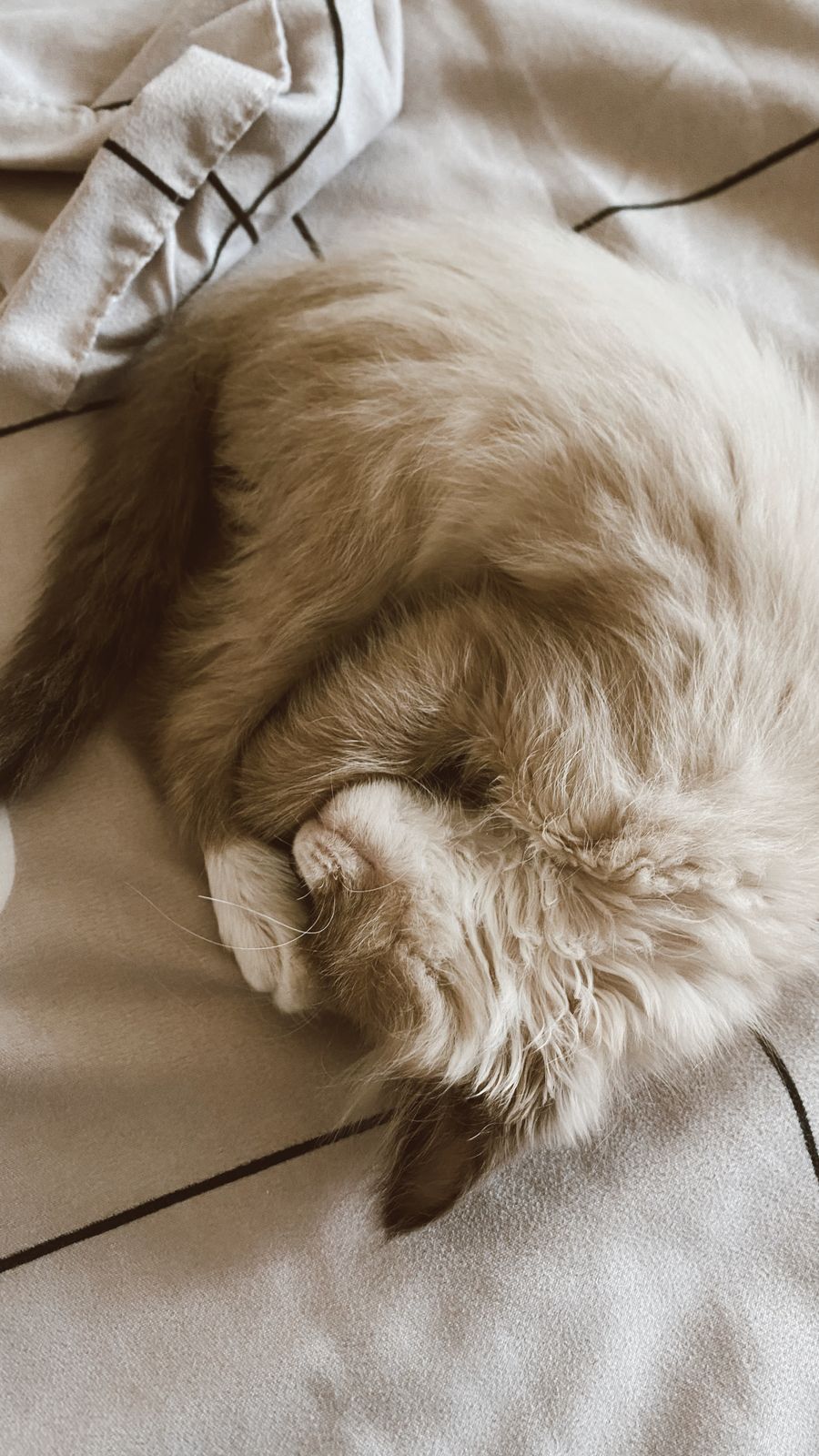
Wool-sucking is the most common form of pica, and understanding its likely cause changes how to respond.
What Pica and Wool-Sucking Are
Pica describes a cat eating or chewing on non-food items, ranging from wool and fabric to plastic, rubber, string, or houseplants. Wool-sucking specifically, where a cat sucks or gently chews on wool, cotton, or similar soft materials without necessarily swallowing it, is the most commonly seen version and is considered a compulsive behaviour rather than simple curiosity. It is documented as occurring more frequently in Siamese and other Oriental breeds, suggesting a genetic component alongside behavioural and environmental factors.
Why It Can Be Genuinely Dangerous
If a cat actually ingests fabric, string, or other non-food material, rather than just sucking or chewing without swallowing, this can cause a life threatening intestinal blockage requiring emergency veterinary care, sometimes surgery. Signs of a possible blockage include vomiting, loss of appetite, lethargy, and straining without producing stool. If you know or suspect your cat has swallowed a non-food item, contact your veterinarian immediately.
Common Contributing Factors
Genetic predisposition
Wool-sucking is documented as more common in Siamese and other Oriental breeds specifically, suggesting a hereditary component to this particular behaviour.
Early weaning
Kittens separated from their mother earlier than ideal may redirect a suckling instinct toward soft fabric later in life, since the natural nursing behaviour was interrupted before it resolved on its own.
Stress and under-stimulation
Like other compulsive behaviours, wool-sucking and broader pica can be more pronounced during periods of stress or in an under-stimulated environment, functioning as a self-soothing or outlet behaviour.
What Helps
Because pica carries a genuine ingestion risk, a veterinary visit is a reasonable first step to rule out any underlying medical contributor and discuss the specific level of risk for your cat's pattern. Beyond medical evaluation, removing easy access to the specific materials a cat targets, providing appropriate chew alternatives, increasing environmental enrichment, and addressing any identifiable stressor are the main behavioural approaches. For cats where stress is a clear contributing factor, a calmer, more predictable environment supports the broader behavioural approach alongside removing access to risky materials.
Restore the Peace
Pawganix CalmGuard: diffuser, 3 refills, and a bonus calming collar. Soothes the stress behind unwanted behavior.
Shop NowNot Sure What Your Cat Needs?
Take the free Calm Home Audit. Ten quick questions about your cat and your home, and you get the pattern named, the four things behind it, and how many rooms need covering. No email needed to see your result.
Take the Calm Home Audit →Frequently Asked Questions
This is wool-sucking, the most common form of pica, considered a compulsive behaviour with a genetic component seen more often in Siamese and Oriental breeds. Early weaning, stress, and under-stimulation are also common contributing factors.
It can be. Sucking or chewing without swallowing carries lower risk, but actual ingestion of fabric, string, or other non-food items can cause a life threatening intestinal blockage requiring emergency care. Any suspected ingestion warrants immediate veterinary attention.
A veterinary visit first, to rule out medical contributors and assess risk. Beyond that, remove access to targeted materials, provide appropriate chew alternatives, increase enrichment, and address any identifiable stressor contributing to the behaviour.
This content is for informational purposes only and is not a substitute for professional veterinary advice. If you suspect your cat has ingested a non-food item, or shows vomiting, lethargy, or straining without producing stool, contact your veterinarian immediately.
What is unsettling your cat?
Ten questions about your cat and your home. You get the pattern named, the four things behind it, how many rooms need covering, and a 30-day check-in date.
- 1The pattern, named, and the four things behind it
- 2How many rooms and floors need covering
- 3A plan sized to your home, and when the collar earns its place
Most read
-
 CatsMulti-Cat Household Stress: Why Your Cats Fight and How Pheromones Can Help8 min read
-
 CatsCat Vomiting: Hairballs or Gut Problem?6 min read
-
 CatsSeparation Anxiety in Cats7 min read
-
 CatsCat Calming Collars, Diffusers & Sprays7 min read
-
 CatsFeliway vs Pawganix: Cat Calming Compared7 min read
-
 CatsCat Anxiety: The Complete Guide to Causes, Symptoms, and Solutions9 min read


