


Feline Hyperesthesia Syndrome: Signs to Know
Feline hyperesthesia syndrome is a condition marked by episodes of intense skin sensitivity along a cat's back, often paired with rippling skin, sudden grooming or biting at the area, and behaviour that can look almost like the cat is startled by their own body. Both stress and underlying medical or neurological factors are considered part of the picture, and this condition is diagnosed by a veterinarian after ruling out other causes with similar presentations, not identified from the behaviour alone.
Feline hyperesthesia syndrome is one of the more unusual and least understood conditions Cat Parents encounter, and its distinctive presentation is exactly why a proper veterinary diagnosis matters so much before assuming anything about the cause.
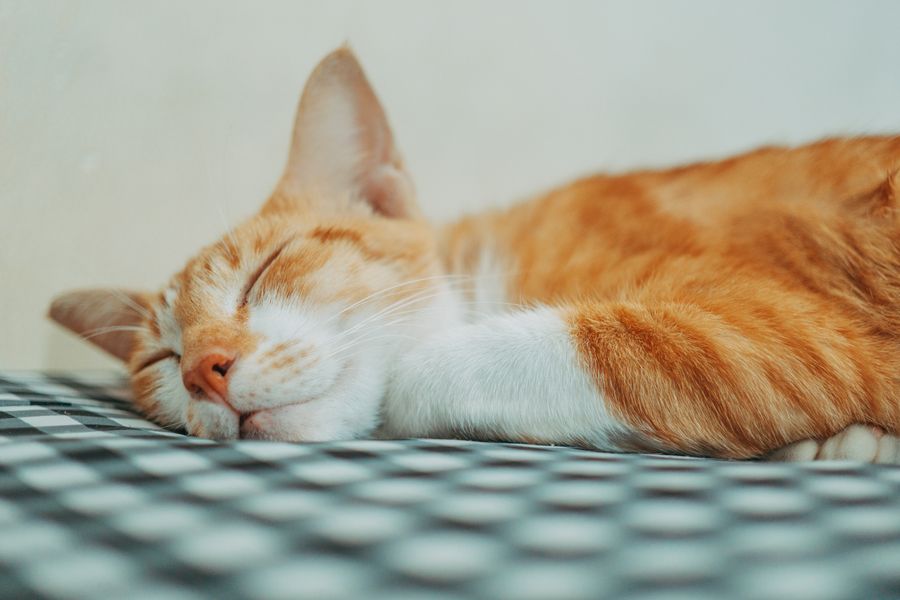
Feline hyperesthesia episodes are distinctive but require veterinary evaluation to properly identify.
What Feline Hyperesthesia Looks Like
Why This Requires Veterinary Diagnosis
Skin allergies, neurological conditions, and pain from an underlying source can all present with overlapping signs. Feline hyperesthesia syndrome is a diagnosis reached after ruling out these other possibilities through veterinary examination and testing, not something to self-diagnose from watching the behaviour alone. An accurate diagnosis matters because the appropriate approach differs significantly depending on the actual underlying cause.
The Stress Connection
While the exact cause of feline hyperesthesia syndrome is not fully understood, stress and environmental factors are considered part of the picture for many cats affected by it, alongside possible neurological or dermatological contributors. Episodes are sometimes reported as more frequent during periods of stress, which is why environmental and stress management is commonly included as part of a comprehensive approach, alongside whatever specific medical management a veterinarian recommends based on the individual diagnosis.
What Helps Once Diagnosed
Once a veterinarian has evaluated the cat and ruled out other causes, management approaches can include environmental and stress reduction strategies, since a calm, predictable routine is a reasonable component of care for a condition where stress appears to be a contributing factor for many affected cats. Any medical or medication-based approach should come directly from your veterinarian's specific recommendation based on the individual case, since the underlying causes and appropriate treatment can vary considerably between cats presenting with similar symptoms.
Restore the Peace
Pawganix CalmGuard: diffuser, 3 refills, and a bonus calming collar. Supports a calmer environment alongside your veterinarian's guidance.
Shop NowNot Sure What Your Cat Needs?
Take the free Calm Home Audit. Ten quick questions about your cat and your home, and you get the pattern named, the four things behind it, and how many rooms need covering. No email needed to see your result.
Take the Calm Home Audit →Frequently Asked Questions
A condition marked by episodes of intense skin sensitivity along the back, often with rippling skin, sudden grooming or biting at the area, and agitated behaviour. It is diagnosed by a veterinarian after ruling out other causes with similar presentations, such as skin allergies or neurological conditions.
Stress and environmental factors are considered part of the picture for many cats affected, alongside possible neurological or dermatological contributors. The exact cause is not fully understood, and it can vary between individual cats.
No. Several conditions, including skin allergies, neurological issues, and pain from an underlying source, can present with similar signs. Veterinary examination and testing are needed to reach an accurate diagnosis and identify the appropriate approach.
This content is for informational purposes only and is not a substitute for professional veterinary advice. Feline hyperesthesia syndrome requires veterinary diagnosis to distinguish from other conditions with similar signs. Consult your veterinarian if your cat shows these symptoms.
What is unsettling your cat?
Ten questions about your cat and your home. You get the pattern named, the four things behind it, how many rooms need covering, and a 30-day check-in date.
- 1The pattern, named, and the four things behind it
- 2How many rooms and floors need covering
- 3A plan sized to your home, and when the collar earns its place
Most read
-
 CatsMulti-Cat Household Stress: Why Your Cats Fight and How Pheromones Can Help8 min read
-
 CatsCat Vomiting: Hairballs or Gut Problem?6 min read
-
 CatsSeparation Anxiety in Cats7 min read
-
 CatsCat Calming Collars, Diffusers & Sprays7 min read
-
 CatsFeliway vs Pawganix: Cat Calming Compared7 min read
-
 CatsCat Anxiety: The Complete Guide to Causes, Symptoms, and Solutions9 min read


