


Cognitive Dysfunction in Senior Cats: Signs
Feline cognitive dysfunction is an age-related condition affecting a cat's memory, awareness, and normal patterns, distinct from typical slowing down with age. Common signs include increased night-time vocalising, disorientation in a familiar home, changes to the sleep-wake cycle, and altered interaction with familiar people. These signs are often gradual, which is why comparing a cat's current behaviour against their pattern from a year or two earlier is more useful than a single observation.
Cognitive changes in senior cats are common but often go unrecognised, sometimes attributed simply to a cat "getting old" when a specific, identifiable condition is contributing to the changes. Recognising the signs is the first step toward getting an accurate picture from your veterinarian.
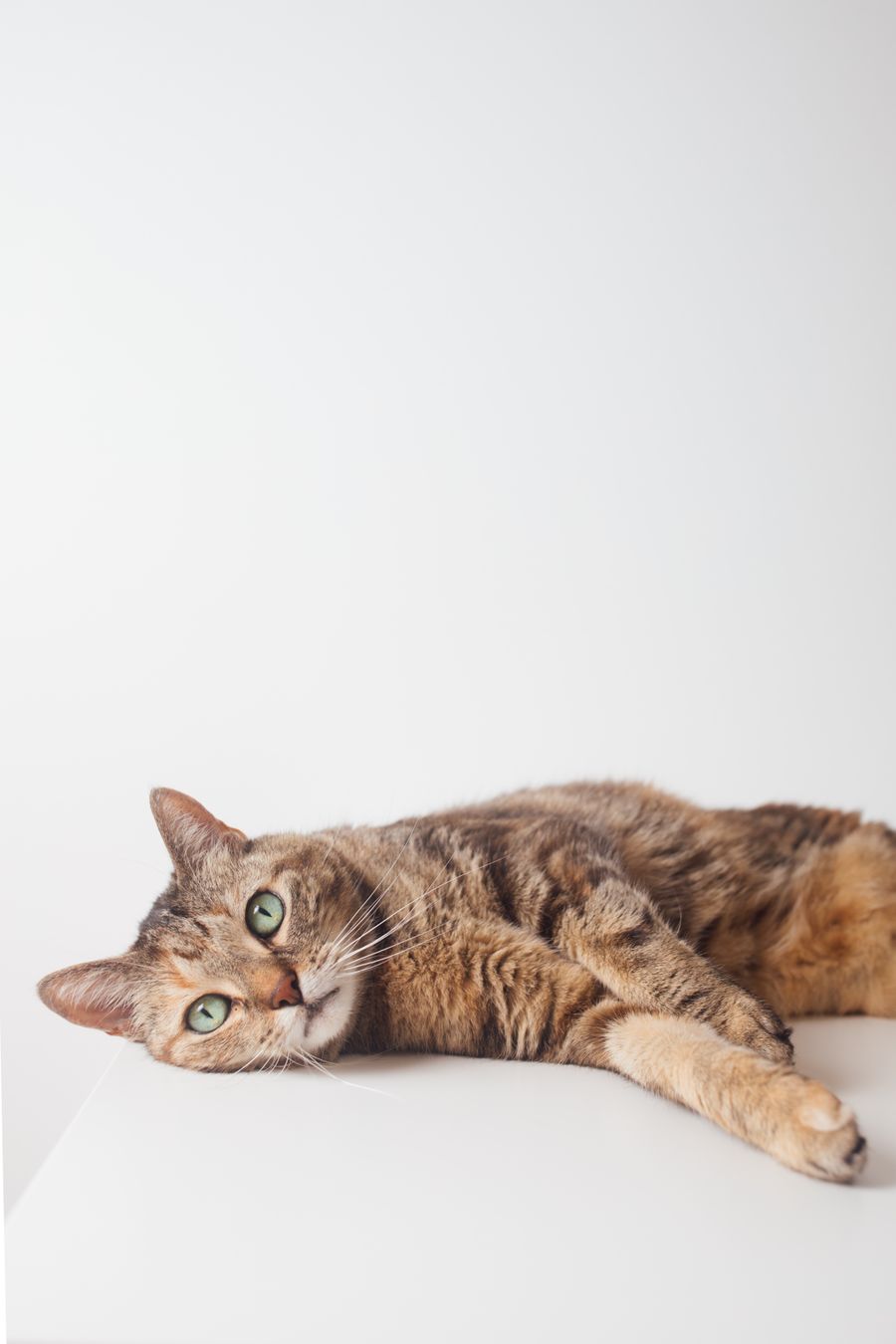
Gradual changes in a senior cat's routine and awareness are worth tracking against their pattern from a year or two earlier.
Early Signs to Watch For
How This Differs From Normal Aging
Normal aging in cats typically includes some reduction in activity level, more time spent resting, and a general slowing down, which on its own is not a cause for concern. What distinguishes feline cognitive dysfunction from typical aging is the specific pattern of disorientation, altered awareness, and changes to established routines and interactions, rather than simply moving or playing less. A cat who sleeps more but still navigates the home confidently and interacts normally is aging typically. A cat who becomes disoriented in familiar spaces or shows a marked change in awareness is showing a different pattern worth discussing with a veterinarian.
Because these changes often develop slowly over months, they can be easy to attribute to normal aging in the moment. Comparing a cat's current behaviour against a clear memory of how they behaved a year or two earlier, rather than only noticing day to day, often reveals a more significant shift than it seemed at any single point.
Supporting an Aging Cat's Routine
For a senior cat showing early cognitive changes, keeping a consistent daily routine, predictable feeding times, and a stable environment supports a greater sense of familiarity and security. Ensuring the litter box, food, and water remain in accessible, well-lit, unchanged locations reduces the disorientation risk that comes with navigating a home that feels less predictable. A veterinary evaluation is the appropriate next step for any senior cat showing these signs, since cognitive dysfunction is diagnosed by ruling out other medical causes that can present with similar symptoms, such as hyperthyroidism or vision changes, and because supportive approaches are most effective when guided by an accurate diagnosis.
Frequently Asked Questions
Increased night-time vocalising, disorientation in a familiar home, changes to the sleep-wake cycle, reduced interaction with familiar people, new difficulty finding the litter box or food despite no change in location, and staring into space for extended periods.
Normal aging includes reduced activity and more resting, without disorientation or a marked change in awareness. Cognitive dysfunction involves a specific pattern of confusion, altered routine navigation, and changed interaction, distinct from simply slowing down.
A veterinary evaluation is the appropriate next step, since cognitive dysfunction is diagnosed by ruling out other medical causes with overlapping symptoms, such as hyperthyroidism or vision changes. An accurate diagnosis guides the most effective supportive approach for your cat's specific situation.
Restore the Peace
Pawganix CalmGuard: diffuser, 3 refills, and a bonus calming collar. Soothes the stress behind unwanted behavior.
Shop NowNot Sure What Your Cat Needs?
Take the free Calm Home Audit. Ten quick questions about your cat and your home, and you get the pattern named, the four things behind it, and how many rooms need covering. No email needed to see your result.
Take the Calm Home Audit →This content is for informational purposes only and is not a substitute for professional veterinary advice. If your senior cat shows signs of disorientation, altered awareness, or a significant behaviour change, consult your veterinarian for an accurate diagnosis.
Most read
-
 CatsMulti-Cat Household Stress: Why Your Cats Fight and How Pheromones Can Help8 min read
-
 CatsCat Vomiting: Hairballs or Gut Problem?6 min read
-
 CatsSeparation Anxiety in Cats7 min read
-
 CatsCat Calming Collars, Diffusers & Sprays7 min read
-
 CatsFeliway vs Pawganix: Cat Calming Compared7 min read
-
 CatsCat Anxiety: The Complete Guide to Causes, Symptoms, and Solutions9 min read


