


YeastGuard: French Bulldog Owner Reviews
French Bulldogs are one of the breeds most represented in the YeastGuard customer base. The combination of their documented gut microbiome vulnerabilities, facial fold anatomy, and the breed's chronic over-prescription of antibiotics (which deplete beneficial gut bacteria) makes yeast a near-universal management challenge for Frenchie owners. Here is what French Bulldog owners are reporting about YeastGuard.
French Bulldogs are one of the breeds most likely to develop chronic recurring yeast from gut dysbiosis.
Why French Bulldogs Are Among the Highest-Yeast Breeds
Three factors converge in French Bulldogs to make yeast a chronic issue rather than an occasional one. First, the breed has documented gut microbiome composition differences from other breeds, with lower beneficial bacterial diversity and reduced resistance to dysbiosis following antibiotic treatment. Second, the facial fold anatomy creates warm, moist microenvironments where yeast establishes readily. Third, Frenchies are among the most antibiotic-treated breeds in veterinary practice due to their documented respiratory, skin, and urinary tract issues, and every antibiotic course depletes the beneficial gut bacteria that suppress yeast.
The result is a recurring cycle that most Frenchie owners know by heart: a flare, antibiotic treatment, temporary improvement, then the paw licking, ear smell, and belly redness returning within three to six weeks. YeastGuard's gut-first approach, combining 2 Billion CFU probiotics with a botanical support blend, addresses this cycle at the gut microbiome level where it starts.
Primary yeast sites in Frenchies: paws, ear canals, facial folds, belly, and tail pocket. Most common trigger: antibiotic courses. The corn-chip smell from paws and ears is the most reliable early indicator. YeastGuard dosing for French Bulldogs: most Frenchies at 20 to 30 lb fall in the 1 to 2 tablet daily range based on weight. See: French Bulldog Yeast Infection: The Owner's Guide.
Free Breed Guide
The French Bulldog Health Guide
The breed-specific playbook for managing the skin, gut, and yeast issues Frenchies are most vulnerable to.
- Frenchie-specific yeast overgrowth triggers and what to do at each stage
- Skin fold, ear canal, and tail pocket care protocol
- How to manage the post-antibiotic yeast cycle before it starts
Paw Licking and Foot Yeast: What Frenchie Owners Report
Paw licking in French Bulldogs is one of the most distressing daily management challenges for owners. The behaviour is relentless, the sound is constant, and most surface treatments (paw wipes, medicated shampoos, medicated soaks) provide temporary relief at best. The reviews below are from owners who had tried those approaches before finding YeastGuard.

Frenchie owners describe their dogs becoming notably calmer once the itch cycle breaks.
Ear Infections and Nighttime Scratching
French Bulldogs have a narrow, L-shaped ear canal that traps moisture and debris, creating ideal conditions for yeast establishment. Combined with their systemic gut dysbiosis vulnerability, Frenchies that cycle through ear infections often do so monthly or bi-monthly, with each antibiotic course resetting the cycle by further depleting their already fragile gut microbiome.
Belly Redness and Skin Fold Yeast
Frenchie belly redness and skin fold yeast are among the most visually alarming presentations of systemic yeast overgrowth. The thin, sparsely-haired skin of the belly, inner thighs, and facial folds shows redness and darkening quickly when yeast establishes, and the inflammation makes the dog visibly uncomfortable. Multiple YeastGuard reviews from Frenchie owners describe this presentation specifically.
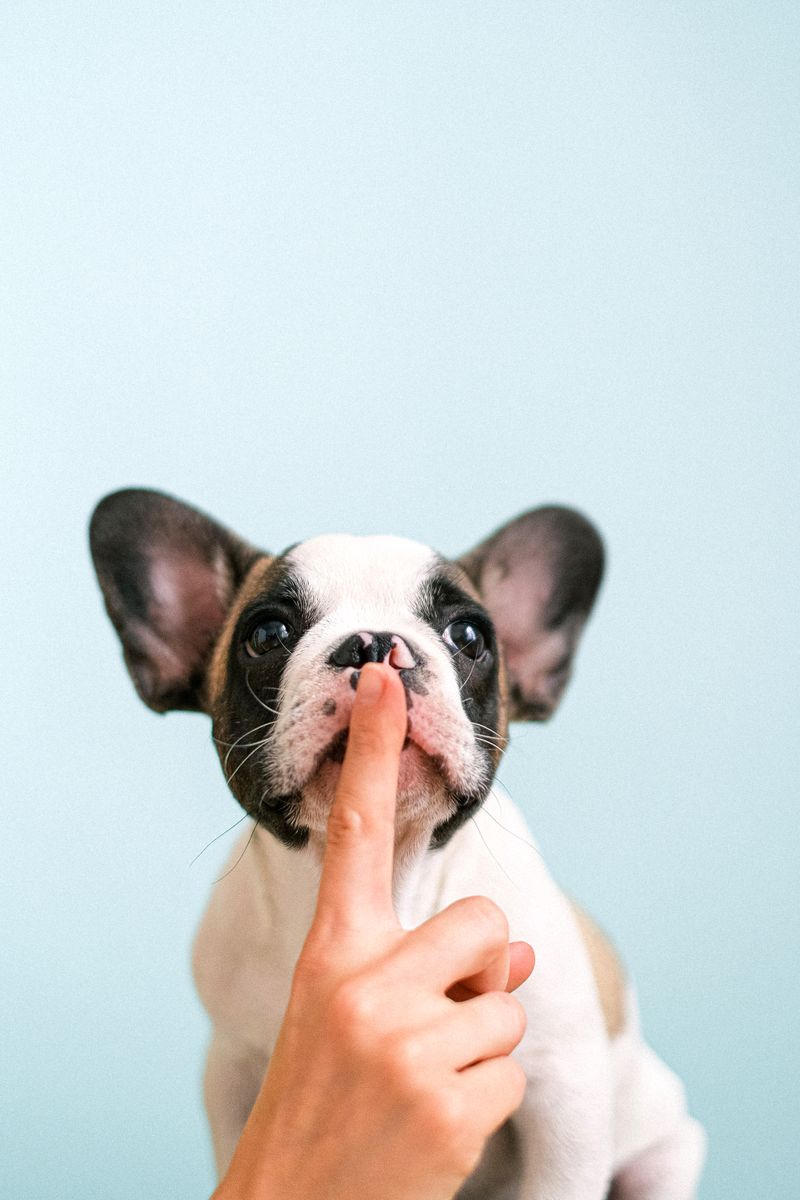
The most consistent result across Frenchie YeastGuard reviews: skin that returns to looking normal within weeks.
Multi-Dog Households With Frenchies
French Bulldogs in multi-dog households often expose the shared-environment aspect of yeast: different breeds, different sites, same gut dysbiosis driver. One of the most informative reviews in the YeastGuard pool comes from an owner with three dogs of different breeds all managed on YeastGuard simultaneously.
The Frenchie YeastGuard review arc is specific: paw licking and foot chewing stop faster than owners expect, often within five to ten days. Ear symptoms take longer, typically two to four weeks. Belly redness starts to resolve at week two and clears significantly by week four. The corn-chip smell disappears faster than visible skin improvement. And the tablet format, which owners fear Frenchies will refuse, is consistently accepted as a treat rather than a battle.
Free Download
The Complete Guide to Ending Your Dog's Yeast Problem
Why nothing has worked permanently, and the multi-layer approach that actually breaks the cycle.
- The 5-step yeast overgrowth cycle and exactly where it breaks
- A complete 6-layer recovery protocol you can start today
- Honest comparison of every treatment approach and where each falls short
"Skin was so red and angry around his paws and belly. Honestly hard to even look at. After YeastGuard the difference is night and day. His skin looks like normal skin again."
"Year and a half of recurring ear infections. Going on weeks with zero issues now. Wish someone had told me about this sooner."
The Gut-First Reset for Frenchies
YeastGuard: 2 Billion CFU probiotics, prebiotics (FOS and Inulin), MCT Powder, Pau d'Arco 4:1, Oregano Extract 4:1, Bromelain, Omega-3s, Cranberry 10:1. Chicken liver tablets. 60-Day Money-Back Guarantee.
Shop YeastGuardFrequently Asked Questions
Three factors combine in French Bulldogs: documented gut microbiome vulnerabilities with lower beneficial bacterial diversity than most breeds, fold anatomy that creates warm moist skin environments where yeast establishes easily, and high antibiotic prescription rates for the breed's common health issues. Each antibiotic course depletes the gut bacteria that suppress yeast, and in a breed with already-lower gut resilience, the recovery from each course is slower than in most breeds. The result is a recurring cycle that drives many Frenchie owners to YeastGuard. See: French Bulldog Yeast Infection: The Owner's Guide.
Based on owner reviews, paw licking and foot chewing typically reduce within five to ten days. Ear symptoms improve within two to four weeks. Belly and skin redness starts to visibly reduce at week two, with significant clearing by week four. The corn-chip smell disappears faster than visible skin improvement in most cases. Full gut microbiome reset establishes by six to eight weeks of consistent daily dosing.
The majority of French Bulldog owners in the review pool report their dogs accept YeastGuard tablets willingly as treats. One owner specifically notes their dog is "a total pain about taking pills" but eats YeastGuard like a treat. The chicken liver flavour base is the primary driver. For dogs that initially resist, crushing the tablet and mixing with a small amount of food is reported to work.
YeastGuard doses by weight: up to 25 lb: 1 tablet per day; 25 to 50 lb: 2 tablets per day. Most French Bulldogs fall in the 20 to 28 lb adult weight range, placing them at 1 tablet per day for lighter Frenchies and 2 tablets for those approaching 25 lb or above. Always use your dog's current weight to determine the correct dose.
Multiple Frenchie owners in the YeastGuard community recommend starting YeastGuard on the first day of any antibiotic course and continuing for four to six weeks after the course completes. This is the intervention that prevents the post-antibiotic yeast cycle before it starts rather than addressing it after symptoms appear. Always discuss your dog's specific supplement and medication protocol with your veterinarian.
Related Reading
- French Bulldog Yeast Infection: The Owner's Guide
- Dog Yeast Infections: The Complete Guide
- Dog Ear Yeast Infection: Why It Keeps Coming Back
- Best Yeast Supplement for Dogs: Compared (2026)
- YeastGuard Reviews: What Dog Owners Are Saying
- Natural Alternatives to Apoquel for Dogs
* These statements have not been evaluated by the Food and Drug Administration. This product is not intended to diagnose, treat, cure, or prevent any disease. Reviews are from verified purchasers on Amazon.com and Pawganix.com. Individual results vary. Always consult your veterinarian before starting your dog on a new supplement.
What is behind the itch?
Ten questions about your dog. You get the itch pattern named and scored, the four things driving it, a date for the first visible change, and a 60 day pack sized to your dog's weight.
- 1Your dog's itch pattern, named and scored
- 2The four drivers behind it
- 3A 60 day pack sized to your dog's weight
Most read
-
 Itch & YeastThe 7 Best Dog Yeast Infection Supplements Compared (2026 Review)14 min read
-
 Itch & YeastBest Supplements for French Bulldogs: What Actually Helps (And What's a Waste of Money)9 min read
-
 Itch & YeastBest Ear Infection Supplements for Dogs11 min read
-
 Itch & YeastYeastGuard vs. Zesty Paws Aller-Immune Bites: Ingredients, Results, and Value Compared10 min read
-
 Itch & YeastDog Itching But No Fleas: 8 Other Causes You Need to Check11 min read
-
 Itch & YeastChronic Dog Ear Yeast Infection: Home Treatment That Actually Stops the Cycle14 min read


