


Feline Idiopathic Cystitis: What to Know
A male cat straining to urinate with little or no urine produced can indicate a urethral blockage, a genuine emergency that can become life threatening within hours. If you see this in a male cat, contact an emergency veterinarian immediately rather than reading further.
Feline idiopathic cystitis (FIC) is inflammation of the bladder with no identifiable infection or other direct medical cause, and it is strongly linked to stress. It is one of the most common reasons cats show signs of urinary difficulty, and stress management is a recognised part of managing recurrence, alongside veterinary care. It is diagnosed only after other causes such as infection, crystals, or stones have been ruled out through veterinary testing.
Feline idiopathic cystitis is one of the most common causes of urinary symptoms in cats, and also one of the most closely tied to stress and environment of any feline medical condition. Understanding it helps explain why litter box and urinary symptoms are always worth taking seriously.
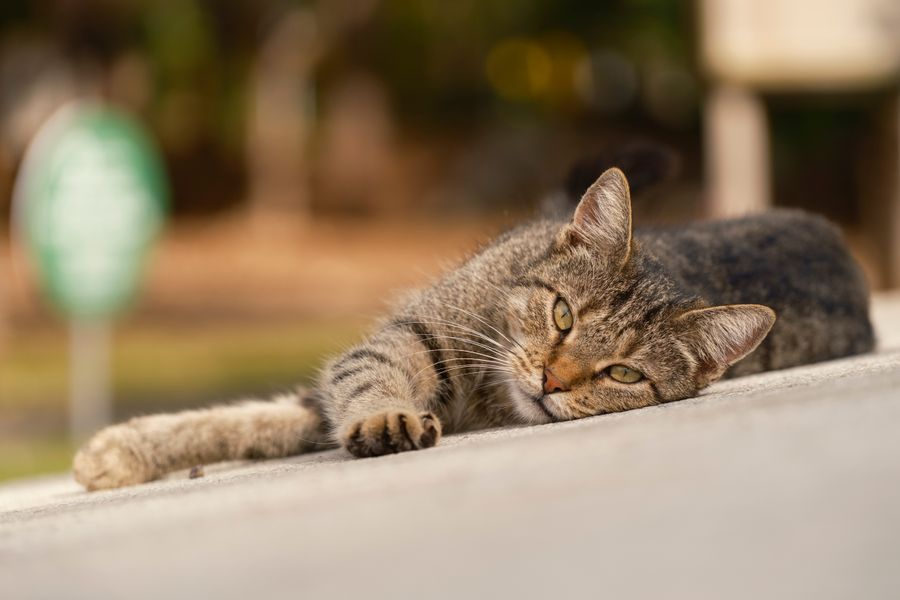
Environmental stress is one of the most consistently identified factors in feline idiopathic cystitis.
What Feline Idiopathic Cystitis Is
Feline idiopathic cystitis refers to bladder inflammation without an identifiable direct cause such as a bacterial infection, bladder stones, or crystals. The term idiopathic simply means the specific cause is not identifiable through standard testing, though research has consistently linked the condition to a combination of stress, environment, and an individual cat's underlying sensitivity. It is one of the most common diagnoses in cats presenting with urinary symptoms, particularly in younger to middle-aged cats.
Why Stress Is Central to It
Feline idiopathic cystitis is strongly associated with environmental and psychological stress, more so than most other medical conditions. Cats with FIC often show a heightened physiological stress response, and flare-ups are frequently linked to identifiable stressors such as a household change, conflict with another cat, or a disrupted routine. This is why environmental and stress management, alongside any veterinary treatment, is a recognised component of managing a cat prone to recurring episodes, rather than addressing the bladder inflammation in isolation.
Few medical conditions in any species are as directly tied to environmental stress as FIC is in cats. This is part of why a calm, stable, predictable home environment is discussed as part of a comprehensive management approach for cats with a history of the condition, alongside whatever specific veterinary treatment is appropriate for an individual cat.
Signs to Watch For
Signs of feline idiopathic cystitis include straining to urinate, urinating in small, frequent amounts, blood in the urine, urinating outside the litter box, vocalising during urination, and excessive licking of the genital area. In male cats specifically, straining with little or no urine production is a medical emergency requiring immediate veterinary attention, since male cats have a narrower urethra and are at meaningfully higher risk of a life threatening blockage.
Why an Accurate Diagnosis Matters
Because FIC is diagnosed by ruling out other causes, including infection, bladder stones, and crystals, veterinary testing (typically including urinalysis and often imaging) is necessary to confirm the diagnosis rather than assume it. This matters because the other conditions FIC is distinguished from have different management approaches, some involving specific medical treatment beyond stress and environmental management. Any cat showing urinary symptoms should be evaluated by a veterinarian rather than assumed to have FIC without testing.
Frequently Asked Questions
Bladder inflammation in cats with no identifiable direct cause such as infection, stones, or crystals, strongly associated with stress and environment. It is one of the most common causes of urinary symptoms in cats and is diagnosed by ruling out other specific causes through veterinary testing.
Cats with FIC often show a heightened physiological stress response, and flare-ups are frequently associated with identifiable stressors such as household changes or conflict with another cat. Environmental and stress management is a recognised component of managing recurrence alongside veterinary care.
In male cats, straining with little or no urine production can indicate a urethral blockage, a genuine emergency that can become life threatening within hours due to the narrower male urethra. Contact an emergency veterinarian immediately if you see this in a male cat.
Stress Management Is Part of the Picture
Alongside your veterinarian's guidance, Pawganix CalmGuard may help support a calmer environment for cats prone to stress related flare ups.
Shop NowNot Sure What Your Cat Needs?
Take the free Calm Home Audit. Ten quick questions about your cat and your home, and you get the pattern named, the four things behind it, and how many rooms need covering. No email needed to see your result.
Take the Calm Home Audit →This content is for informational purposes only and is not a substitute for professional veterinary advice. Urinary symptoms in cats, especially straining with little or no urine in male cats, require prompt veterinary evaluation. If you suspect a urethral blockage, seek emergency veterinary care immediately.
What is unsettling your cat?
Ten questions about your cat and your home. You get the pattern named, the four things behind it, how many rooms need covering, and a 30-day check-in date.
- 1The pattern, named, and the four things behind it
- 2How many rooms and floors need covering
- 3A plan sized to your home, and when the collar earns its place
Most read
-
 CatsMulti-Cat Household Stress: Why Your Cats Fight and How Pheromones Can Help8 min read
-
 CatsCat Vomiting: Hairballs or Gut Problem?6 min read
-
 CatsSeparation Anxiety in Cats7 min read
-
 CatsCat Calming Collars, Diffusers & Sprays7 min read
-
 CatsFeliway vs Pawganix: Cat Calming Compared7 min read
-
 CatsCat Anxiety: The Complete Guide to Causes, Symptoms, and Solutions9 min read


