


Cocker Spaniel Ears: Why This Breed Gets Yeast
Cocker Spaniels are one of the breeds most commonly associated with recurring ear yeast overgrowth, primarily due to their long, low-hanging, heavily furred ears, which restrict airflow and trap moisture inside the ear canal. This creates a warm, dark, humid environment that yeast thrives in. Regular ear checks, thorough drying after water exposure, and gut-first support alongside proper ear care are the more complete approach, rather than treating each ear flare-up as an isolated event.
If you own a Cocker Spaniel, there is a good chance you have already dealt with at least one ear issue, and there is a specific, well-understood reason this breed faces this so consistently.
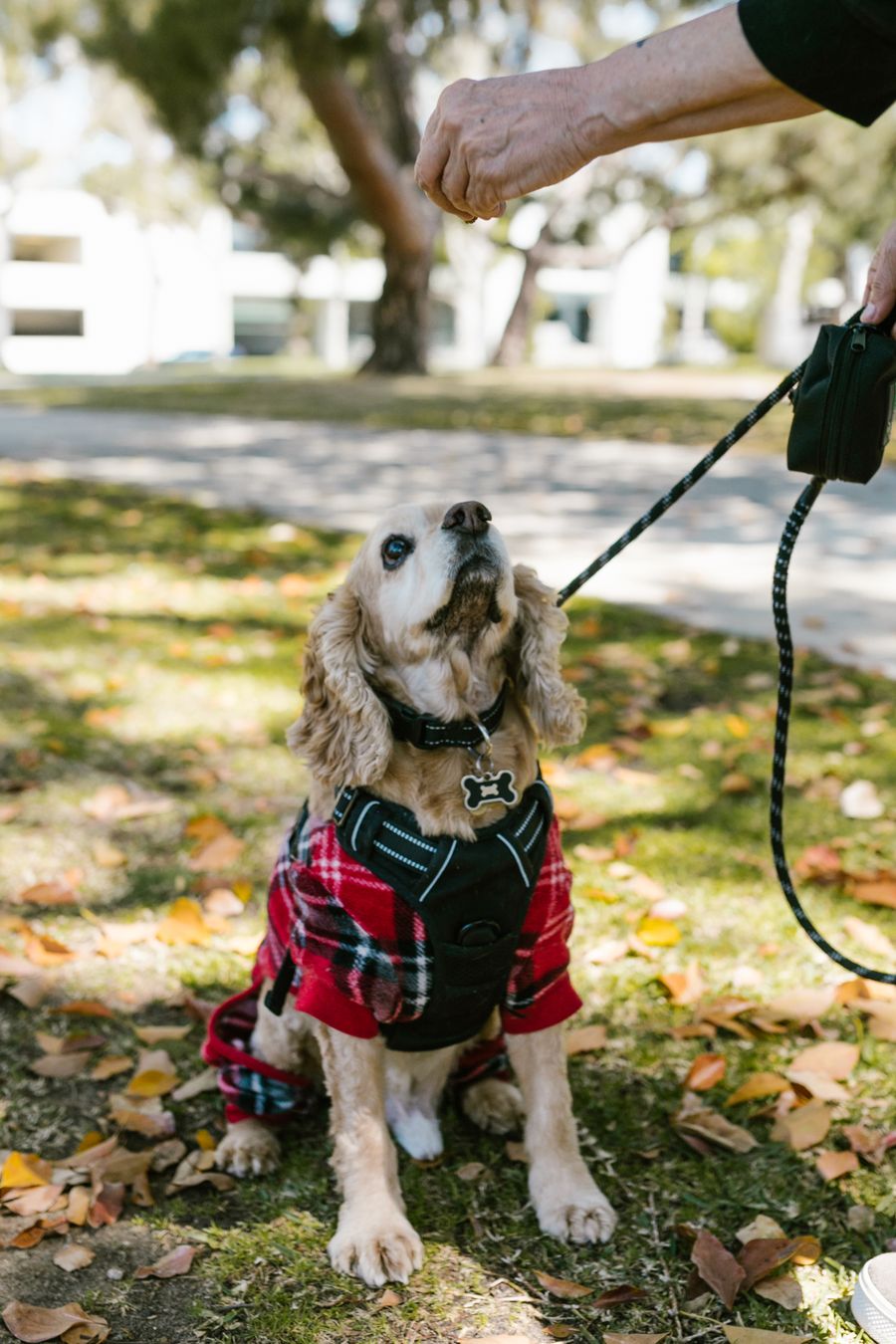
A Cocker Spaniel's long, low-hanging ears restrict airflow, creating an environment where yeast can flourish.
Why Cocker Spaniel Ears Are Especially Vulnerable
Cocker Spaniels have long, pendulous, heavily furred ears that hang close to the head, a defining breed trait that also happens to restrict airflow into the ear canal significantly more than an upright-eared breed experiences. This reduced airflow, combined with the ear's natural warmth and any moisture that gets trapped inside from bathing, swimming, or humid weather, creates conditions that are genuinely more favorable to yeast overgrowth than in breeds with more open, ventilated ear structures.
Signs to Watch For
Head shaking and ear scratching
Frequent head shaking or pawing at the ears is often the earliest visible sign of ear discomfort, worth checking before it progresses further.
Odor and discharge
A noticeable odor from the ear, along with brown or waxy discharge, is a common presenting sign of yeast overgrowth in the ear canal.
Redness or visible irritation inside the ear
Checking the visible portion of the ear canal periodically, without probing deeply, can help catch redness or irritation early.
Ear Care Basics for This Breed
Regular ear checks, ideally weekly, help catch early signs before they progress. Thorough drying after any water exposure, including baths and swimming, using a soft towel or a cool setting on a hair dryer held well away from the ear, reduces the trapped-moisture factor significantly. Regular, gentle cleaning with a vet-approved ear cleaner, rather than cotton swabs inserted into the canal, is the safer approach for maintenance between any veterinary-recommended treatments.
A single ear issue can happen to any dog. A Cocker Spaniel with recurring ear flare-ups, despite good ear hygiene, is showing a pattern worth addressing at a more systemic level rather than treating each episode as an isolated event.
Why Recurring Ear Issues Point to Gut Balance
When ear yeast overgrowth recurs despite consistent ear care, an underlying gut or immune imbalance is often part of the picture, since yeast overgrowth is frequently a systemic issue that shows up locally in areas like the ears rather than a problem confined entirely to the ear itself. Supporting gut and skin balance from the inside, alongside good ear hygiene, addresses both the local environment and the underlying contributing factor, rather than managing the ear symptom alone.
Free Download
The Complete Guide to Ending Your Dog's Yeast Problem
The full 5-step cycle and where it breaks, especially relevant for breeds prone to recurring ear issues.
- The 5-step yeast overgrowth cycle and exactly where it breaks
- A complete 6-layer recovery protocol you can start today
- Honest comparison of every treatment approach and where each falls short on its own
Support From the Inside, Alongside Ear Care
YeastGuard supports gut and skin balance with every ingredient individually disclosed on the label.
Shop YeastGuardFrequently Asked Questions
Their long, low-hanging, heavily furred ears restrict airflow into the ear canal, trapping warmth and moisture. This creates conditions genuinely more favorable to yeast overgrowth than in breeds with more open, ventilated ear structures.
Weekly checks are a reasonable baseline, with thorough drying after any bath or swim and regular gentle cleaning with a vet-approved ear cleaner rather than cotton swabs inserted into the canal.
Recurring ear yeast overgrowth despite good ear hygiene often points to an underlying gut or immune imbalance, since yeast overgrowth is frequently systemic rather than confined entirely to the ear. Supporting gut and skin balance from the inside, alongside ear care, addresses both factors.
You're already making the content. Get paid for it.
Commission on your link, or a flat fee per post. Your call. A real person reads every application and replies within two working days.
Apply in two minutesThese statements have not been evaluated by the Food and Drug Administration. This product is not intended to diagnose, treat, cure, or prevent any disease. This content is for informational purposes only and is not a substitute for professional veterinary advice. Individual results vary. Always consult your veterinarian before starting your dog on a new supplement.
What is behind the itch?
Ten questions about your dog. You get the itch pattern named and scored, the four things driving it, a date for the first visible change, and a 60 day pack sized to your dog's weight.
- 1Your dog's itch pattern, named and scored
- 2The four drivers behind it
- 3A 60 day pack sized to your dog's weight
Most read
-
 Itch & YeastThe 7 Best Dog Yeast Infection Supplements Compared (2026 Review)14 min read
-
 Itch & YeastBest Supplements for French Bulldogs: What Actually Helps (And What's a Waste of Money)9 min read
-
 Itch & YeastBest Ear Infection Supplements for Dogs11 min read
-
 Itch & YeastYeastGuard vs. Zesty Paws Aller-Immune Bites: Ingredients, Results, and Value Compared10 min read
-
 Itch & YeastDog Itching But No Fleas: 8 Other Causes You Need to Check11 min read
-
 Itch & YeastChronic Dog Ear Yeast Infection: Home Treatment That Actually Stops the Cycle14 min read


