


Antifungal Foods for Dogs: What to Feed and Why
Foods sometimes discussed for dogs with yeast problems include coconut oil, plain pumpkin, plain unsweetened yogurt with live cultures, oregano in small culinary amounts and plain cranberries. Some have shown antimicrobial activity in laboratory studies, and lab findings do not always carry over to dogs. None of these treat a yeast problem on their own. Ask your vet before changing your dog's diet. Diet works alongside your vet's plan and, for some owners, daily gut support.
Yeast can use sugars as fuel, which is why many owners ask whether diet matters for a dog with recurring skin or ear problems. Some whole foods are discussed for gut and skin support, though none function as a standalone treatment. Always consult your veterinarian before making significant diet changes, especially for a dog with an active or recurring skin or ear issue.
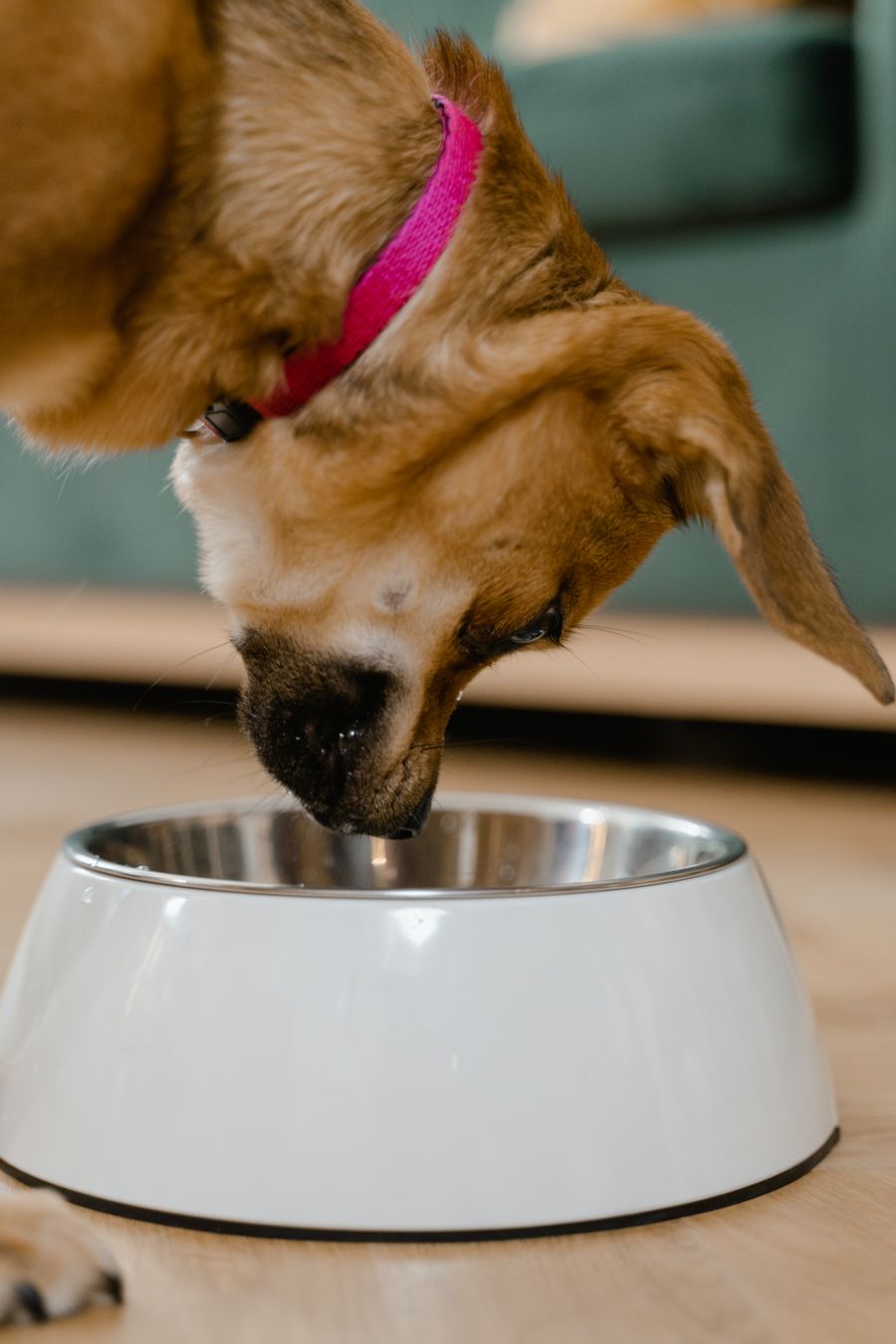
What goes into a dog's bowl is one part of overall gut and skin health.
Why Diet Matters for Yeast Overgrowth
Malassezia yeast is a normal resident on dog skin, and problems start when it overgrows. Sugars and simple carbohydrates are often discussed as one factor, and many owners start by reviewing treats and ingredient lists. Diet alone rarely sorts out a recurring skin or ear problem, so talk to your vet, who can check for allergies and other causes and tell you whether diet changes make sense for your dog.
Foods Often Discussed for Yeast Balance
Medium-Chain Triglycerides
Coconut oil contains medium-chain triglycerides, including caprylic acid, lauric acid and capric acid, which have shown antimicrobial activity in laboratory studies. Lab results do not always carry over to dogs. Coconut oil is high in fat, so ask your vet whether it suits your dog, especially a dog that is overweight or has had pancreatitis, and how much is appropriate. Too much too quickly can cause digestive upset.
Plain Pumpkin
Plain, unsweetened, unspiced pumpkin (not pumpkin pie filling) is a source of soluble fiber that supports healthy digestion and regular stools. It does not have antifungal properties itself, but a well-functioning digestive system is part of overall gut health.
Plain, Unsweetened Yogurt With Live Cultures
Plain yogurt containing live and active cultures provides a small amount of beneficial bacteria, similar in principle to a probiotic supplement, though typically at a lower and less standardized dose. It must be plain and unsweetened, since flavored or sweetened yogurt adds sugar. Dogs with dairy sensitivity should avoid this option, and it is worth checking with your vet first.
Oregano
Oregano contains carvacrol and thymol, compounds that have shown antimicrobial activity in laboratory research. As a fresh or dried culinary herb added to food, oregano should only be used in very small amounts. Concentrated oregano oil is far more potent than the culinary herb and should not be given to dogs without veterinary guidance.
Cranberries
Cranberries, in small amounts as plain fresh or frozen berries (never with added sugar), contain compounds studied for urinary tract health. Ask your vet whether they suit your dog and how much is appropriate.
Garlic and onion, sometimes mentioned in home-remedy lists for their antimicrobial properties, are toxic to dogs and cause cumulative damage to red blood cells with no established safe home dose. Never give your dog garlic or onion in any form, regardless of the reason. If you have already given your dog garlic and are concerned, contact your veterinarian.
Free · 60 Seconds
What Is Behind Your Dog's Itch?
Take the free Itch Loop Diagnostic for a personalized plan based on your dog's symptoms and history.
Take the Itch Loop DiagnosticFoods Worth Limiting
Simple carbohydrates, refined grains, high-sugar treats and foods with a high glycemic content are often discussed as foods to limit when a dog has recurring yeast problems. Common examples in commercial dog food and treats include corn, wheat, large amounts of white rice, and anything with added sugar or honey. Checking the ingredient list on your dog's current food and treats is a useful step alongside any changes your vet suggests.
How to Add These Foods Safely
Introduce any new food slowly and one at a time, watching for digestive upset over several days before adding another. Start with very small quantities, since a dog's digestive system needs time to adjust to any dietary change. None of the foods above should replace a complete, balanced commercial diet; they are small additions, not a replacement feeding plan. If your dog has any underlying health condition, including pancreatitis, diabetes or a known food sensitivity, consult your veterinarian before adding any of these foods.
Diet is one part of the picture for a dog with recurring skin or ear problems, alongside your vet's plan. Food-level findings come mostly from laboratory research and are mild compared with a standardized supplement. YeastGuard is a daily supplement that supports normal gut and skin balance with four named probiotic strains, a prebiotic blend, sodium caprylate and supporting botanicals, every active individually dosed. It is not a substitute for veterinary care.
Food Is One Part. Daily Gut Support Is Another.
YeastGuard: 4 Billion CFU across four named probiotic strains, a prebiotic blend of FOS and chicory root, sodium caprylate, oregano and Pau d'Arco extract, omega-3 from fish oil, niacinamide, zinc and biotin. Chicken liver flavored tablets. 60-Day Money-Back Guarantee.
Shop YeastGuardFree Download
The Complete Guide to Your Dog's Yeast Balance
A plain-English look at what can contribute to recurring yeast problems and what to discuss with your vet.
- How yeast overgrowth can happen and which signs to mention to your vet
- A layered approach to daily care you can discuss with your vet
- An honest look at common approaches and their limits
Frequently Asked Questions
Foods sometimes discussed for dogs with yeast problems include coconut oil (medium-chain triglycerides including caprylic acid), plain unsweetened yogurt with live cultures, plain pumpkin for fiber, culinary amounts of oregano, and small quantities of plain fresh or frozen cranberries. Some have shown antimicrobial activity in laboratory studies, which does not always carry over to dogs. None of these treat a yeast problem on their own, so check with your vet before changing your dog's diet.
Diet is one supporting factor but rarely resolves a recurring skin or ear problem on its own. Your vet can check for allergies and other causes. Some owners also add a daily gut supplement such as Pawganix YeastGuard, which supports normal gut and skin balance alongside your vet's plan. Results vary from dog to dog.
Coconut oil is high in fat, so ask your vet whether it suits your dog and how much is appropriate, especially for a dog that is overweight or has had pancreatitis. Medium-chain triglycerides, including caprylic acid, have shown antimicrobial activity in laboratory studies, which does not always carry over to dogs. If your vet agrees, introduce it gradually, since too much too quickly can cause loose stool.
Simple carbohydrates, refined grains, high-sugar treats and foods with a high glycemic content are often discussed as foods to limit. Common examples in commercial dog food include corn, wheat, large amounts of white rice, and any treat with added sugar or honey. Checking your dog's current food and treats for these ingredients is a useful step alongside any changes your vet suggests.
No. Garlic and onion are toxic to dogs regardless of the reason for giving them, causing cumulative damage to red blood cells with no established safe home dose. Never give your dog garlic in any form, even in small amounts or for a purportedly beneficial reason. Contact your veterinarian if your dog has ingested garlic.
Related Reading
- Dog Yeast Overgrowth: The Complete Guide
- YeastGuard Reviews: What Dog Owners Are Saying
- Is Garlic Safe for Dogs? The Truth Might Surprise You
- What to Feed a Dog With Yeast Overgrowth: The Complete Diet Guide
- Why YeastGuard Has a 4.9 Star Rating
- Post-Antibiotic Recovery: Rebuilding Your Dog's Gut
* These statements have not been evaluated by the Food and Drug Administration. This product is not intended to diagnose, treat, cure, or prevent any disease. This article is for informational purposes and is not a substitute for veterinary nutritional guidance. Always consult your veterinarian before making dietary changes, especially for a dog with an active health condition. Individual results vary.
Most read
-
 Itch & YeastThe 7 Best Dog Yeast Infection Supplements Compared (2026 Review)14 min read
-
 Itch & YeastBest Supplements for French Bulldogs: What Actually Helps (And What's a Waste of Money)9 min read
-
 Itch & YeastBest Ear Infection Supplements for Dogs11 min read
-
 Itch & YeastYeastGuard vs. Zesty Paws Aller-Immune Bites: Ingredients, Results, and Value Compared10 min read
-
 Itch & YeastDog Itching But No Fleas: 8 Other Causes You Need to Check11 min read
-
 Itch & YeastChronic Dog Ear Yeast Infection: Home Treatment That Actually Stops the Cycle14 min read


